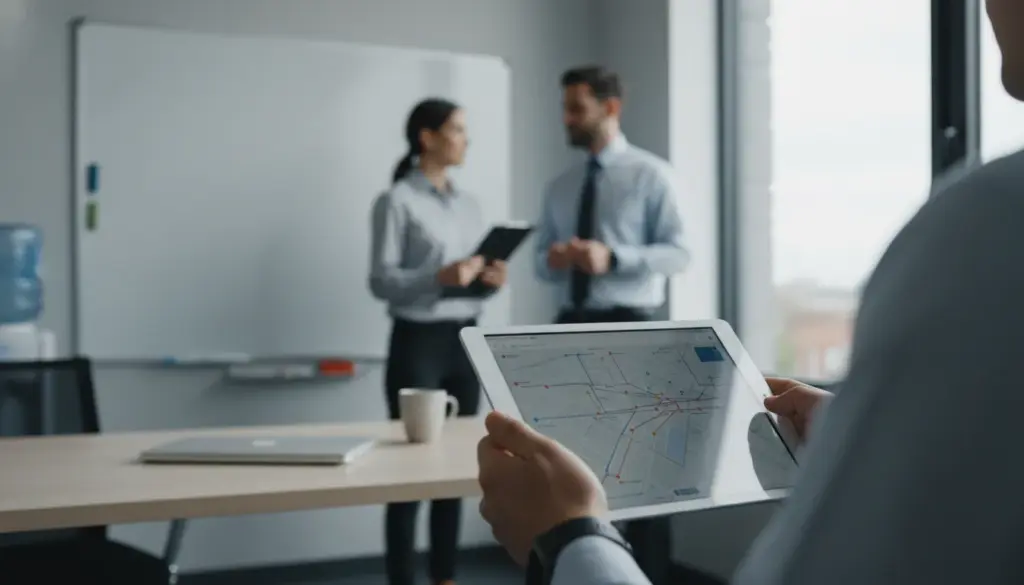
Modern water delivery depends on tight planning. A single platform lets dispatchers decide where every truck goes, in what order, and at what time. Because drivers must drop full containers and collect empties on the same loop, any wasted kilometre quickly multiplies. Bottled water has led packaged drinks by volume in the United States for years, so trimming distance saves real money. With the right water software you can blend residential and commercial stops, keep drivers on schedule, and send customers timely updates, all on one live map.
Laying the foundations for a solid route
Correct addresses are the first step. The system geocodes each customer, corrects misplaced pins, and groups nearby stops into sensible zones. Dispatchers then add everyday rules such as delivery windows, driver shifts, and the maximum number of full and empty bottles each truck can carry. Because every jug delivered must return as an empty, capacity maths runs in two directions.
Once the basics are set, the engine orders the day to minimise drive time while respecting every window and service duration. Recurring orders provide a predictable spine. If the Tuesday and Friday lists repeat every week, the software can lock that pattern yet still allow last minute changes for seasonal spikes or new sign ups. Handy route features like visit duration targets, zone tags, and no service flags for inactive accounts keep the weekly plan neat.
Staying on course when the world changes
Traffic, building access, and surprise calls can all derail a perfect morning plan. Current systems watch driver progress in real time and reshuffle stops when something slips. If one truck falls behind, the software can move nearby flexible appointments forward so early cut offs remain safe. When a customer phones in for extra cases, dispatch can slide the job onto a truck that still has space instead of sending another van.
Many drops are unattended. A porch photo or digital signature is often the only proof that water arrived and empties were taken. The routing engine can add a few extra minutes of service time to those addresses so planned arrivals stay realistic. That exact accounting cuts return visits to settle disputes and saves fuel.
Handling empties without overloading trucks
Bottled water work is really two tasks in one: deliver full bottles and pick up deposits. The system tracks each account’s balance, assigns the right number of empty carriers to every truck at the start of day, and updates inventory as drivers scan or count empties on site. By scheduling the largest pickups earlier, the plan prevents late afternoon overloads. Vehicle limits also matter. Heavy clusters stay with the strongest trucks while small vans receive lighter, spread out runs. Thoughtful allocation stops mid route reshuffles that drain time and patience.
Learning from yesterday to perfect tomorrow
A route is only as good as the data behind it. Good software stores travel time between stops, dwell time on site, arrival windows met or missed, photos, and signatures. After the shift, dispatchers review that trail to correct impossible service times, adjust zones, or drop unproductive calls. When subscription billing works hand in hand with routing, invoices, deposits, and inventory all line up automatically. That cuts manual spreadsheets and feeds cleaner facts back into planning.
Businesses in food, pharmacy, or parcel delivery can copy the same routine. Even if you never move a water jug, the constraints are familiar: tight windows, two way capacity, and proof at the door. For a broader view, study how last mile tools manage scheduled services with identical challenges.
Giving drivers the tools to follow the plan
A great plan fails if drivers cannot read it. Clear stop lists, large buttons, offline maps, and guidance in local languages shorten training and prevent wrong door drops. Real time status pings keep dispatch calm and customers informed. A quick prompt can remind a driver to collect empties or snap a porch photo.
Tarsil connects driver apps with enterprise resource planning so every scan, signature, and photo updates ledgers instantly. TrackBoard trail replay and GPS verified visits give managers a stable audit without extra paperwork. See the proof page for detail on image capture, or visit the Tarsil site to examine planning, live monitoring, and doorstep confirmation across water, milk, LPG, and fast moving consumer goods. If you want fewer detours, cleaner data, and happier customers, route software offers a practical path.