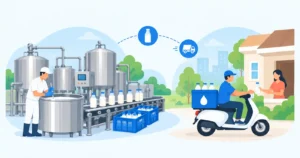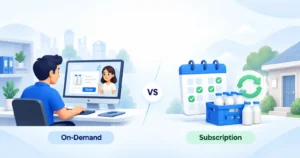

Running an internet or cable field team looks a lot like running a bottled water route. Both depend on repeated visits, neighborhood based routes, clear proof that work is finished, and a smooth handoff to billing. For that reason the lessons baked into modern water delivery platforms translate almost directly to dispatching installers and technicians for installs, line drops, equipment swaps, and collections in telecom.
Core needs for telecom crews
Writers who study water delivery software usually come back to three essentials:
- Recurring route planning that revisits the same addresses on known cycles
- Solid proof of service through photos, signatures, or one time codes for unattended stops
- Tight links to invoicing so activity becomes revenue without extra typing
Every one of those features matters just as much when you send crews to wire a new customer, replace a modem, or recover customer premises equipment. Before you compare products, list your daily job count, how often addresses repeat, and the time windows customers will tolerate. That exercise tells you whether you need a route first model or strict appointment scheduling. For detail on how water operators solve the loop planning side, skim our page on water delivery.
From looping routes to booked visits
Telecom work clusters by street, cabinet, or multi dwelling building. Software that can group orders by zone, create an effective sequence, and then overlay appointment windows lets dispatchers fill a day without endless reshuffling. Water distributors follow the same logic to build daily and weekly loops that rarely change. Applying that approach to internet or cable keeps travel predictable, supports staffing plans, and cushions the schedule when a technician calls in sick.
A good platform lets office staff drag work orders onto trips, checks travel time automatically, and respects skill or tool rules so fiber qualified technicians handle fiber jobs. The mobile side must stay simple. Crews should open the app and see today’s stops with notes and phone numbers in one view. While the business context differs, the pattern used in bottled water systems remains instructive because it handles the same street level density and repetition. You can see a concise list of must have functions on our features page.
Proof that stands up in disputes
Because customers are often away, water routes rely on photos, signatures, and short codes that unlock garage or gate access. Internet and cable teams face the same risk of later disagreement. Field apps therefore need to capture images of wall plates, exterior boxes, and device serials. A signed digital work order with timestamps and GPS coordinates closes the loop. Signal dead spots in basements or rural cabinets demand offline mode that queues data and syncs once coverage returns, exactly the environment a bottled water driver meets at a farm or warehouse dock.
Inventory discipline is another parallel. Water delivery tracks empty and full bottles that cycle between customer and depot. Telecom tracks routers, optical network terminals, modems, and set top boxes in the same way. Your platform should record which serial number went in, which came out, and whether a return is still pending so both customer billing and truck stock stay correct.
Billing without copy pasting
Water distributors treat billing links as non negotiable because each completed stop must become an invoice and deposit reconciliation. The same rule helps ISPs and cable providers prevent leakage. When a technician closes a job, the platform should push product codes, fees, and taxes straight into the billing system. If equipment changes, the charge table must update so monthly fees and unreturned device deposits stay aligned. This process is less about colourful dashboards and more about moving facts from field to finance without spreadsheets. Independent reviews that discuss this handoff can help you spot vendors who really bridge the gap.
Why a delivery backbone fits telecom
Tarsil grew out of high frequency distribution work where the same driver sees the same customer every week. We unite orders, customers, routes, billing, proof of service, and returnable item tracking in one place, supported by a lightweight field app and a live office console. That is why internet and cable providers who manage neighborhood schedules and repeat maintenance windows can run their service operation on the same backbone. Workflows are structured yet flexible, so dispatchers can reshuffle visits midday, and technicians can keep recording progress offline until signal returns. If your company already runs bottled water, LPG, or another recurring model, your installers will feel at home quickly. Examine the wider Tarsil site to see how recurring delivery concepts also serve restaurant supply and last mile distribution, and how the same building blocks handle installs, site checks, and equipment recovery in telecom without adding strain to your daily routine