SMS alerts have moved from nice to have to non negotiable in restaurant delivery, grocery runs, pharmacy drops, and other last mile work. Most well known systems offer some level of text integration, yet their depth varies across event triggers, templates, two way chat, reporting, and geographic reach. Software directories list more than one hundred tools that claim SMS support; the real task is choosing one that fits your workflow and meets customer expectations.
Why instant texts improve last mile results
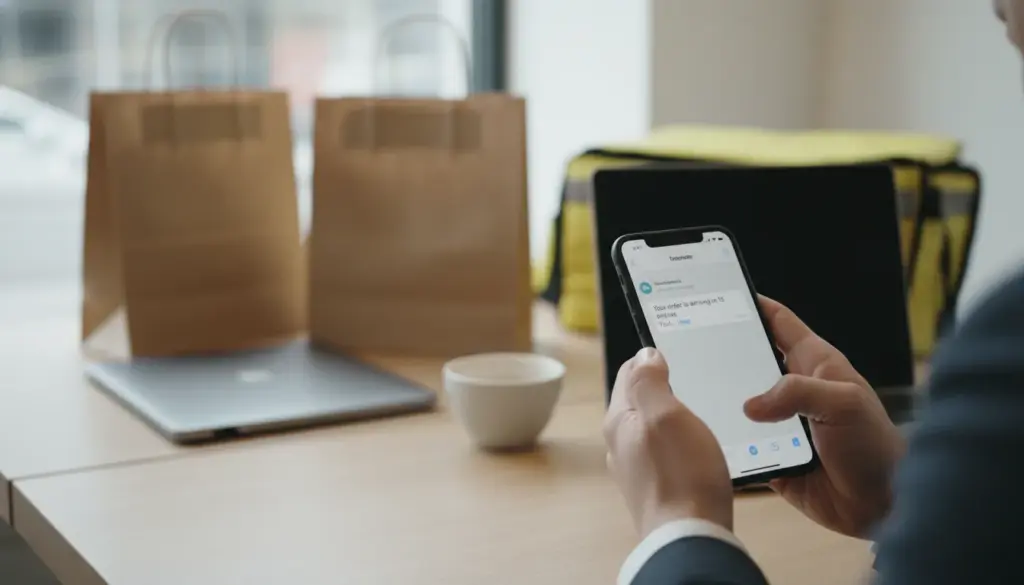
Customers rarely watch their email while a vehicle is en route. A text appears on the lock screen and invites an immediate reaction, which lowers missed handoffs and curbs support calls. Vendors such as Detrack cite open rates near 98 percent, so many operators now treat SMS as the primary channel for time sensitive updates.
For a busy restaurant owner or a pharmacy dispatcher, one correct arrival message can mean the difference between a smooth exchange and a costly return trip.
Platforms that already send SMS
Detrack connects to popular carriers like Twilio, Vonage, 8×8, and BurstSMS. You can send notices such as order out for delivery, delayed, and delivered, and with Twilio you can turn on two way chat so a buyer can confirm availability or request a new slot. Detrack links the final alert to proof of delivery, so the message can carry a web link to a signature or photo.
Shipday markets itself as an all in one delivery manager with real time tracking and customer alerts. While the broader package covers driver assignment and branded tracking pages, the key point is that texts fire automatically at dispatch, on the road, and completion.
Teams focused on tight route plans often pair these alerts with shorter arrival windows to reduce uncertainty. CXT Software highlights flexible SMS inside its courier module.
Examples include ETA update, next pickup, next delivery, and confirmed delivered, all set up in an operations app so the cadence matches your run sheets. This granular control is handy when you juggle on demand pickups and scheduled stops across a city.
Across these tools the pattern is clear: real time messages tied to dispatch events help customers prepare, and a closing note with proof of delivery finishes the job with a verifiable record.
What to check during evaluation
Triggers. Confirm that the platform can text on order accepted, driver assigned, out for delivery, arriving soon, delayed, and completed. Ask whether delay alerts can repeat with fresh estimates or only fire once to limit noise.
Templates. Search for merge tags such as customer name, order number, driver name, live link, access notes, and promised window. Test long addresses so the content does not split into two messages.
Two way chat. Pharmacies may need a simple yes or no reply to verify someone is home; grocers may need gate codes or substitution approvals. Make sure the system separates transactional texts from marketing and respects opt in and opt out keywords required by local law.
Reporting. Operations leaders gain insight from delivery receipts and carrier error codes that explain blocked or invalid numbers. If you serve several languages, send a Unicode test to confirm correct rendering.
Rate limits, quiet hours, and throttling shield buyers from late night pings. Developers may want webhooks or an API so internal systems can push or archive events. A larger feature checklist sits on our features page.
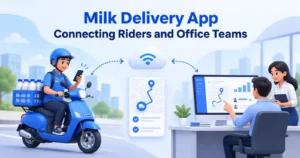
In our own work at Tarsil Systems we run a cloud ERP that pairs a rider app with GPS proof of delivery and automatic texts drawn from customizable templates, giving customers timely and exact information.
SMS patterns for specialized deliveries
Daily route operators use concise texts that match their products:
• Water service often needs a simple “driver nearby” alert that reminds residents to place empty bottles at the door. Read more in our water route guide.
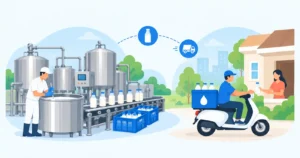
• For early morning milk, a pre dawn arriving soon notice prepares households and avoids doorstep confusion; see our milk runs reference.
• LPG cylinders raise safety stakes, so a dispatch text followed by proof of delivery documents each exchange, as shown in our LPG guide.
Restaurants and dark kitchens often send three texts: order accepted, driver picked up, and arriving soon with a tracking link. Pharmacies might add a consent notice before dispatch and a privacy aware completion text without medication details.
Couriers handling ad hoc work can mirror pickup scheduled and pickup complete alerts for both sender and receiver, then repeat the pair for the delivery leg.
In every scenario the strongest platforms blend real time notifications with correct location data, clear templates, and an audit trail that managers can review without drowning in spreadsheets.