If you run restaurant deliveries, grocery routes, a pharmacy with time sensitive drops or a last mile fleet, proof of delivery is your safety net. Good delivery software lets drivers capture that evidence in seconds so you can settle disputes, answer customer questions and balance the books without chasing paper.
What proof of delivery looks like now
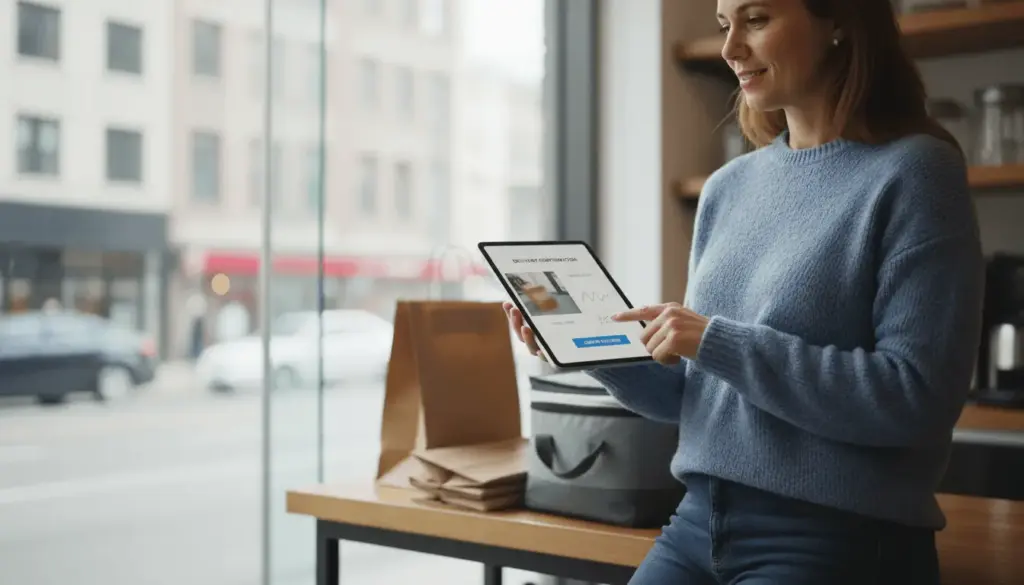
Modern proof of delivery is far more than a signature on a clipboard. Leading tools collect several signals at once: a digital signature, photos that show the parcel at the door, barcode scans, time stamps and the GPS location of the device. Some platforms also share live order status and automatic notifications so recipients know when to expect the driver and can confirm receipt right away.
Track POD promotes electronic POD with signatures, photos, barcode scanning and live courier tracking. Detrack highlights instant access to signatures, photos and time stamps along with job progress. Shipday lists proof of delivery beside branded tracking pages and alerts.
For small teams that handle water rounds or milk delivery, these details cut down on back and forth when someone asks where an order went.
Three leading options for small teams
Track POD. Built around a map first web dashboard, Track POD lets drivers capture electronic proof of delivery with signatures, photos and barcode scans, and pairs it with real time tracking, route planning and live ETA notifications. An open API pushes orders and POD to other systems, suited to restaurants or grocers that need clear stop sequences and quick phone capture.
Shipday. A delivery command center that connects to many point of sale and online ordering platforms. It offers proof of delivery, driver management via a mobile app and branded tracking pages that update customers during the run.
Small businesses that rely on a familiar point of sale and want rapid setup appreciate the combination of easy integrations and a short path from accepting an order to confirming the handoff.
Detrack. Focused on electronic POD, live tracking and route planning with program-controlled customer notifications by SMS, WhatsApp or email. The capture flow records signatures and photos at the doorstep with clear time stamps, aiding high volume courier work and pharmacy drops that demand a robust audit trail.
If you value dispatch visibility and need to store every stop in detail, Detrack deserves consideration.
Points to confirm before you subscribe
Keep the driver experience simple. Riders should open the job, follow the route and record proof in seconds without hunting through menus. With seasonal or less tech-savvy drivers, a clear mobile app can save the day.
Make sure proof of delivery still works offline. Routes often pass through basements, service corridors or rural areas. Look for offline capture with auto sync so signatures and photos don’t vanish. If you handle gas refills or cylinder swaps, confirm the POD flow fits item tracking and serial numbers common in LPG operations.
Examine the data trail and reporting. You want a complete timeline for each stop, the vehicle’s travel path and customer level history. Records should show who signed, where the device was and when data reached the server. Easy export and a readable monthly report help you coach drivers and resolve claims.
Check customer facing alerts. Branded messages with a live ETA reduce missed deliveries and spare your phone lines. Track POD and Detrack support automatic notifications, while Shipday offers branded tracking pages and request for reviews.
Review back office links. If you invoice on delivery, track deposits or need cash collection records, it helps when the proof event updates accounts and inventory in your main system automatically. Our team at Tarsil connects a rider app with a cloud ERP so signatures and GPS verified visits update ledgers, stock and customer messages at once, with data hosted on AWS and screens designed for quick training across several local languages.
Match the feature set to your model. Restaurants lean on live courier tracking and instant customer alerts. Grocers and water suppliers often want recurring routes and photo proof at the doorstep. Pharmacies look for barcode scans plus signature capture to meet internal controls. Last mile logistics managers prefer replayable travel trails and map based planning. All depend on the same pillars of electronic proof, but your blend of route planning, live tracking and customer messaging should reflect daily peaks, service areas and whether you run scheduled or on demand routes.
Conclusion:
Finally, test with real stops. Bring a stubborn address, a customer who rarely answers the first call and a multi item order with a replacement line. Confirm that drivers can take photos, get a signature, scan a barcode and mark a partial delivery without workarounds. Watch how quickly the record appears on the dashboard and what the customer receives on their phone.