
Delivery business software gives water delivery crews, milk distributors, LPG cylinder suppliers, and service managers one place to plan routes, guide drivers, and keep customers informed. Strong platforms combine route optimization, real time tracking, delivery proof, customer alerts, and AI insights in a single workflow so teams stop juggling spreadsheets, calls, and chat threads. If you are comparing options, start with trusted reviews so you learn how a product behaves on the street, not only in a demo.
What matters in daily delivery work
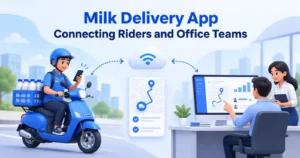
Dispatchers need clear visibility from first mile to doorstep. A live map that shows vehicle positions and order status removes guesswork and lets you answer the classic customer question: Where is my driver? Real time ETAs shared through tracking links cut inbound calls and set honest expectations, a feature common to the best delivery systems. Order data should flow in automatically. An API or simple import from your commerce or back office tool prevents copy paste errors and shortens the gap between order received and truck departure.
At the door, delivery proof protects both you and the customer. Photo capture plus a recipient signature creates an auditable trail that counters chargebacks and missed delivery claims. Many providers let drivers scan barcodes to confirm the right item and quantity. If your operation relies on credits or paper notes, automatic PDF confirmations with timestamps and geotags save hours of admin work. For a quick reference, bookmark this guide to delivery proof.
AI is now embedded in many dashboards. Look for practical uses such as flagging late order risk, spotting routes that always run long, and suggesting short messages that ask customers for a review after a successful drop. Some vendors even weave refund and review collection workflows into the same screen, reducing back and forth when third party platforms are involved.
How different delivery verticals apply the same toolkit
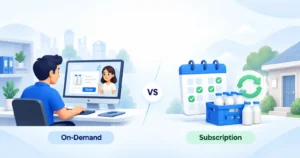
Water delivery routes normally repeat weekly, with seasonal spikes and a mix of bottle returns, cooler swaps, and cash collection. Your software should support recurring schedules, container tracking, and notes like gate codes or floor access. A driver app that syncs over cellular or Wi Fi keeps jobs updated when coverage is patchy. If you send invoices after the truck returns, automatically attaching delivery notes to customer accounts is a silent win. For deeper details see water delivery.
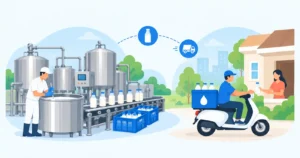
Milk distribution runs in tight morning windows where minutes count. Drag and drop stop sequencing lets you react when a store manager calls with a last minute change. Real time tracking and customer alerts prevent extra calls from kitchens asking when the driver will arrive. Recording temperature checks and product photos as part of the proof of delivery gives the quality team valuable context later.
LPG cylinder supply adds safety and heavy handling. Crews may work in pairs, trucks need pre trip inspections, and sites often have narrow alleys or fixed handover points. Your platform must show driver instructions at the stop level, support scans of full and empty cylinders, and let the crew record hazards before unloading. Planning logic that considers weight and capacity keeps bulk handoffs effective. If you schedule large restaurant drops, this guide on LPG orders can help frame requirements.
Integration and data you can trust
Whatever you choose should connect to tools your staff already uses. Restaurants usually want tickets to flow in from point of sale so the kitchen and dispatch stay aligned. Confirm there is a simple bridge to your POS, accounting program, or inventory file so item codes, weight, and cash on delivery value stay consistent. If a platform offers analytics, make sure you can see on time rate by route, average dwell at stop, and distance variance between planned and actual. Those three numbers answer most leadership questions without extra spreadsheets.
From the driver side, the app matters as much as the office dashboard. Clear job cards, one tap navigation, and offline tolerance shorten training for new hires. Look for simple statuses such as on the way, arrived, delivered, plus a rejection flow that forces a reason and photo. When customer service sees updates instantly, they can answer calls without interrupting the driver.
Security is non-negotiable when you handle addresses, phone numbers, and payment notes. Ask how data is encrypted at rest and in transit, how long photos and signatures stay stored, and whether you can set retention windows. If you operate in several cities, check that location based permissions exist so a dispatcher in one branch cannot view another city’s customer list.
We build with these field realities in mind at Tarsil, focusing on the day to day needs of water, milk, and LPG teams so planners, drivers, and customers share the same clear picture of every order without extra steps