Delivery software lets water distributors, milk routes, LPG cylinder suppliers, and other delivery managers run dependable day to day operations. It plans routes, assigns drivers, shares live progress with customers, and removes much of the manual work that clutters the office. For teams that refill homes and offices on a schedule, water delivery workflows matter just as much as on demand stops.
What delivery teams need most
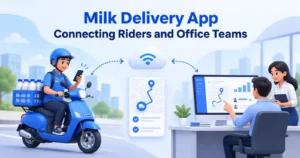
During a shift the fewer unknowns the better. Dispatchers want a clear map of drivers and stops, drivers want routes that make sense, and customers want honest arrival times plus a simple way to reach support. Competitor data backs this up. Onfleet cites gains of 20 to 40 percent after route optimisation, cutting both drive time and fuel. Real time tracking lets managers spot holdups the moment they happen and reroute before a delay spreads. Proof of delivery, usually a photo and signature, closes the loop and prevents disputes.
Several tools address these essentials. Track POD centres on delivery control and real time proof while its scheduler reduces repetitive entry. Shipday adds smooth customer messaging and quick feedback collection; one user reported 90 percent fewer follow up calls after adopting text reminders.
Core capabilities to look for
Route optimisation sits at the heart of any platform because it shapes fuel use, labour hours, and the number of stops a driver can finish. Strong builders handle time windows, service duration, and driver skills in one click. Many teams also prefer territory based assignment so each driver stays on familiar ground. Live tracking should show both vehicle position and task status so office staff can answer customer questions without guesswork.
Customer notifications turn vague half day windows into exact updates. Typical flows send a message when the route starts, an ETA with a map as the van approaches, and a final note when the job is complete. Proof of delivery is now standard. The best setups request a photo at the drop point, collect a name or signature when needed, and log quick notes on exceptions such as a locked gate.
If you deliver to restaurants or retailers, linking routes to a POS system prevents double entry and copy paste errors. A short guide can confirm which vendors sync items, prices, and addresses before you commit.
Industry specific use cases
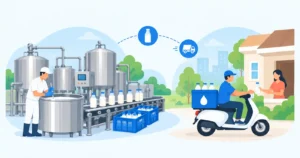
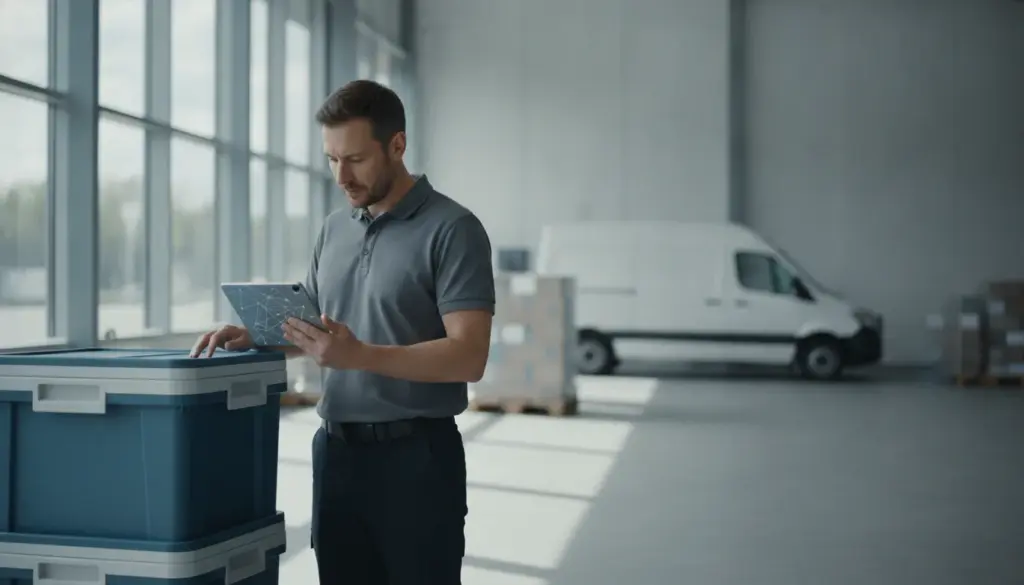
Water delivery crews juggle recurring orders and empty bottle returns. Software that tracks subscriptions and reverse pickups keeps stock balanced and drivers effective. Milk distributors work pre dawn rounds with strict time windows; a mix of route optimisation and program-controlled notifications prevents early morning confusion at storefronts. Proof of delivery matters here too: a quick photo of crates in the cooler avoids later claims.
LPG cylinder suppliers add safety checks and compliance records to every stop. Good delivery software records serial numbers, captures a hazardous goods signature, and saves site notes for the next visit. For deeper advice see our LPG software overview. When bulk orders come from restaurants or caterers, the planner must respect vehicle weight and compartment layout to avoid last minute reshuffles.
Residential services gain from phone based confirmation that lets recipients sign even if they cannot meet the driver at the door. Onfleet already offers this option, cutting the number of missed arrivals. For small operators that need the same clarity, our quick scan of proof options compares leading tools.
How to evaluate and adopt
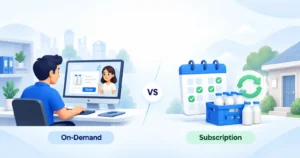
Start with daily pain points. List friction across dispatch, routing, driver chat, and customer updates, then map each issue to a must have feature. A concise features checklist helps keep the review grounded. If you mix scheduled refills with same day calls insist on calendar support plus rapid job entry. Rural fleets should focus on correct geocoding and spoken turn by turn guidance.
Run a small pilot with a realistic workload. Track on time arrivals, the volume of customer inquiries, and hours spent building routes. Case studies show that route optimisation and live tracking usually deliver the first wins, while proof of delivery resolves later disputes. Ask drivers and dispatchers what feels helpful or clumsy so training tackles real gaps instead of generic lessons.
Look into integrations early. If your business relies on billing or inventory systems confirm that basic data like items, quantities, and addresses flow both ways. Water and milk companies must also track container returns, while LPG suppliers need clear compliance steps and a spot for site specific warnings. Pick one or two high impact changes first, let the team master them, then expand to more features once the basics feel natural.