When you sell water, the only quality that matters is what pours from the customer’s tap or dispenser. Even if the product leaves your plant in perfect condition, plumbing faults, storage problems, or handling mistakes can spoil it before anyone takes a sip. Routine sampling at the exact place of use lets you prove safety, detect trouble early, and show customers that you stand behind every drop.
Select tests and sampling spots
Begin with the contaminants public health agencies flag for private wells: total coliform bacteria, nitrates, total dissolved solids, and pH. These four indicators reveal microbial safety, fertilizer runoff, mineral load, and acidity. Your local health department can advise on extra targets such as lead, arsenic, pesticides, volatile organics, or emerging substances like PFAS, based on the neighbourhood you serve.
Pick sampling points that reflect how people actually drink.
- Bottled routes: draw from the bottle spigot or cooler tap after a fresh bottle is placed.
- Point of use dispensers: collect from both cold and ambient outlets.
- Large sites: choose one tap per floor or zone to cover the whole building.
- Private wells: use the main kitchen tap so results match daily consumption.
Log an initial reference sample when you start a new account, then compare later results against that baseline. If your fleet also handles water delivery to rural homes, align your checks with the homeowner’s own well testing timetable so you complement rather than duplicate their effort.
Build a field ready workflow
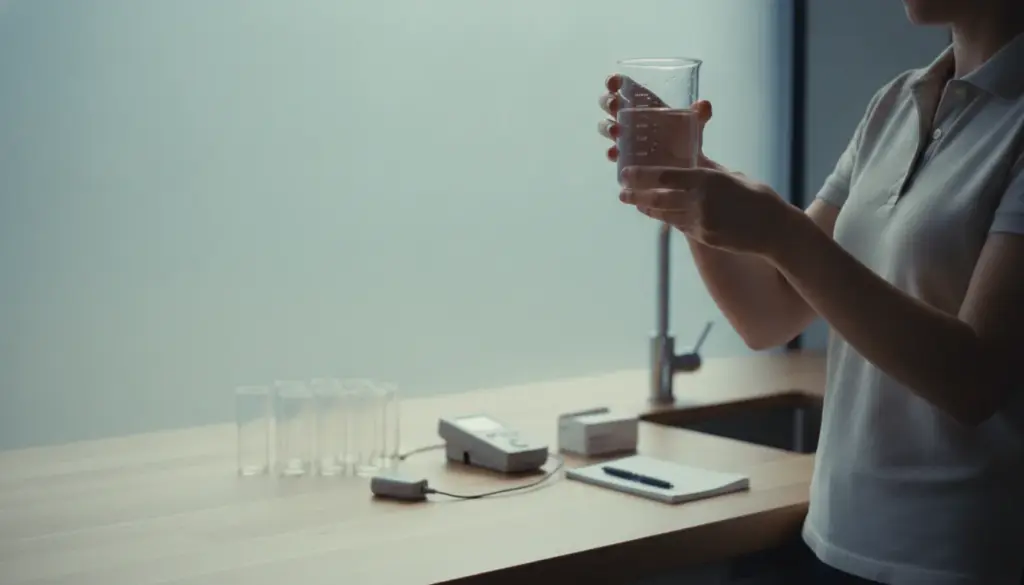
Always employ a state certified laboratory; it supplies sterile bottles, clear instructions, and official forms that make your data defensible. Follow the directions exactly, including flushing the tap, filling the bottle to the mark, and keeping it cool. Handheld strips for hardness, iron, or pH can offer quick clues on the route, but only laboratory analysis can confirm safety.
Consistent documentation prevents mix ups. For every sample record:
- address and fixture
- date, time, and sampler name
- customer reports on taste, colour, or odour
- photo of the tap and labelled bottle
Keep the bottles within the holding times shown on the lab form and ship or deliver them the same day. If you juggle many stops, insert sampling into the driver’s schedule with a simple route planner so no one makes an extra trip.
Set practical schedules and triggers
Annual testing is the minimum most health agencies suggest for private wells. Increase the frequency when:
- land work or flooding disturbs the area
- customers notice new taste, colour, or smell
- you install new plumbing, filters, or coolers
- a supply interruption leaves lines idle
Offices and shared housing can have variable quality from tap to tap, so test more than one fixture. When your company also brings milk routes or LPG cylinders, apply the same written triggers across all products so every driver knows when to collect a sample.
Remember that private wells are not governed by public drinking water rules. The Centers for Disease Control says the owner is responsible for testing, while the Florida Department of Health notes that a well serving several homes or a business can be reclassified as a public system and then falls under routine monitoring requirements. Urge customers to consult local authorities and match your visits to whatever timetable they receive.
Act on the lab report
Plan the response before a problem arises. If bacteria or high nitrates appear, switch the customer to bottled water right away, tell them to seek guidance from their health department, and clean or replace any dispenser you supplied. Use your records to trace other sites that received the same batch or equipment and sample them at once. For non acute findings like low pH or elevated dissolved solids, discuss possible plumbing fixes or follow up tests with the customer.
The Tarsil platform lets field crews record the sample, attach photos, and later upload the laboratory PDF to the customer file. Office staff can see which stops passed, which are pending, and which need action. If you already capture proof at each stop, simply add a water test checklist and a picture of the labelled bottle. Periodic audits keep the habit alive without slowing daily deliveries, and the same workflow scales across water, dairy, fuel, and any other subscription service where quality at the doorstep defines trust.