
You have likely wondered how delivery platforms set prices. Most vendors anchor cost to three things: the size of your operation, the features you activate, and the depth of integration with existing systems. The aim is to match spend to the value your drivers and dispatchers feel day to day.
Key pricing approaches
- Per driver. You buy a seat for every active driver. This option fits firms with steady headcount and shifting order counts.
- Per delivery. You pay for completed drops. Seasonal players that surge during Ramadan or Eid like it because bills rise only with volume.
- Flat monthly tier. You pick a package that caps drivers, orders, or both. Predictable billing helps budgets and sets a clear ceiling.
- Per vehicle. Rare but handy for fleets that track assets closely, for instance LPG cylinder trucks or milk chillers.
- Hybrid. Some suppliers mix a small platform fee with usage based top ups for extra orders, SMS, or storage.
Factors that raise or lower cost
Feature depth. Basic abilities such as route planning, real time GPS, and proof of delivery often sit in entry tiers. Tools like multiple depot planning, customer alerts with exact arrival times, and performance analytics live higher up. If you need reports on failed drops or subscription windows, budget for a richer tier.
Integration. Linking the platform to ERP, CRM, or payment gateways saves manual work but demands vendor effort. Expect charges for API mapping, test cycles, and webhook monitoring.
Growth plans. A supplier that expects you to double routes within a year may quote differently from one that sees only modest expansion. If you intend to open new zones or add towns, study how limits climb and how step ups are billed.
Support and data. Priority support, a dedicated success manager, and long term photo or signature storage are normally premium items. If regulators require you to keep proof for months, confirm the retention policy before committing.
Start with day to day pain points. If drivers keep phoning for stop order, route optimization climbs the wish list. If customers call to ask “Where is my bottle?” live tracking deserves attention.
One off and pay as you go items
- Onboarding. Some vendors include remote setup; others charge a once off fee for workflow design, depot mapping, and driver training.
- Hardware and SIMs. Phones, mounts, thermal printers, and data plans rarely sit inside the software quote.
- Messaging. SMS or WhatsApp alerts may carry pass through fees; check how many customer notifications the plan covers and the cost of extra texts.
- Maps and geocoding. If you serve new housing schemes or rural routes, ask whether the map provider bills for additional geocodes.
- Overages. Every package has limits; learn what happens when peaks push you beyond them.
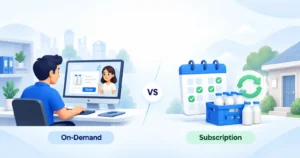
Subscription vs custom build
Most operators in Pakistan and the Gulf choose subscription software because it is fast to deploy and light on capital. Independent estimates put a simple system at about forty thousand dollars, while an enterprise grade suite can exceed four hundred thousand dollars. Development hours, seniority of the engineering team, and ongoing maintenance drive those numbers. Use them as a benchmark when weighing ownership against pay as you go access.
If you run a small team, third party reviews reveal usability, onboarding speed, and support across brands.
How to choose the right model
Match pricing to volume patterns. Per delivery suits on demand LPG drops, while per driver fits stable milk or water rounds where staff numbers rarely move.
Audit feature needs. High rise routes depend on traffic aware planning and exact customer notifications. Wide rural circuits gain more from offline ready driver apps and clean proof of delivery photos.
Validate integration scope. If you raise invoices from ERP or want field stock checks, ask vendors to list every integration task and timeline.
Plan for growth. Seek fair step pricing and clear rules on adding drivers for temporary jobs. Clarify how you can launch a new depot or city without starting setup again.
Finally, if LPG is your core business, a platform built around cylinder workflows can cut onboarding time because it already understands exchange tracking, empty returns, and safety checks. Vendors that specialise in this niche highlight the fit on their LPG cylinder pages, so a quick scan can save weeks of testing.
Operators that deliver drinking water can follow the same logic. Map your pain points, compare them with the common needs listed on typical water delivery pages, and pick the plan whose cost lines up with the field benefit you expect.