Knowing exactly where riders and orders are at every moment lets dispatchers shape faster, steadier routes and react without guesswork. Whether you manage bottled water drops, daily milk rounds, LPG cylinder swaps, or recurring visits for internet and cable customers, live location data turns vague estimates into clear, actionable plans.
Real time visibility that keeps routes moving
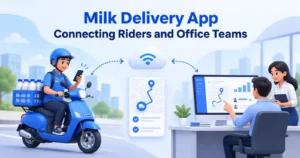
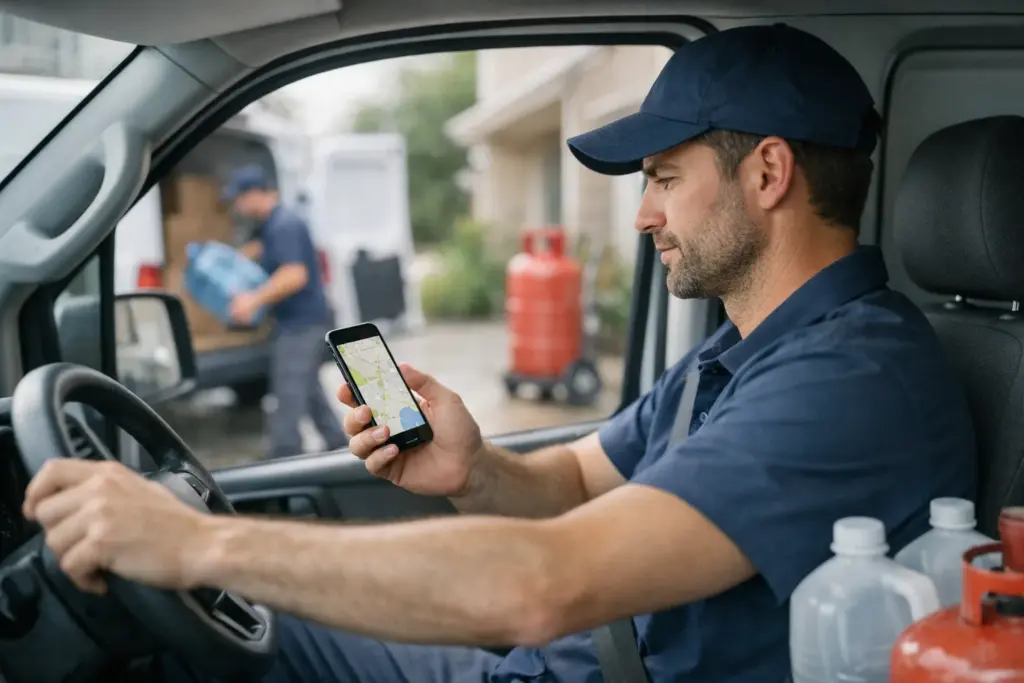
A live map shows each rider’s position and travel direction, so dispatchers can queue the next stops in an order that avoids backtracking. When traffic or roadwork appears, they can immediately reroute a nearby rider instead of holding up the whole plan. Water distributors, for instance, often assign customers by neighborhood and run tight loops to cut fuel use. Teams focused on bottled water report smoother shift handoffs because everyone works from the same real time view rather than handwritten notes.
Recurring deliveries need tighter sequencing
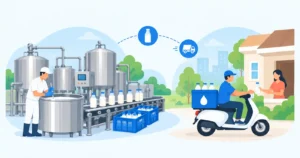
Firms that visit the same addresses every day or week gain most when riders follow a logical sequence that respects time windows and vehicle capacity. On urban milk rounds, a single missed turn can snowball into schedule chaos if dispatch lacks visibility. With GPS tracking, coordinators can reorder stops on the fly based on the rider’s progress and newly opened customer windows. Better sequencing reduces idle minutes and fuel costs over the month. LPG routes add weight and turning constraints, so trimming extra detours eases strain on both trucks and staff who handle cylinders. Many LPG teams start each day by clustering dense addresses first and leaving distant outliers to a second rider, a tactic that prevents late day overruns and cuts second trips caused by failed attempts.
Fewer failed stops and clearer customer updates
When riders share location and status through their app, customer service can set realistic arrival windows, send automatic “on the way” alerts, and reschedule quickly if a gate is locked or a contact is away. Dispatchers also see when a rider remains parked too long and can check whether the hold-up is a slow unload or a missing receiver. Early intervention avoids knock on delays for the rest of the route. Proof of delivery—signatures or photos tied to a timestamp—settles later disputes about a cylinder swap or bottle return. Clear, consistent updates lower inbound calls because customers no longer guess when the doorbell will ring.
Safer driving and verifiable operations
GPS history exposes patterns that affect safety, such as frequent harsh braking spots or streets that consistently trap vehicles. Supervisors can coach safer habits and assign alternative routes before accidents happen. Time and location stamps form an audit trail that shows exactly where work hours were spent, which simplifies fair workload allocation and speeds up complaint resolution. Security also improves: unusual detours or stops longer than expected stand out immediately, allowing quick checks before small issues grow.
Choosing a system that fits recurring delivery routes
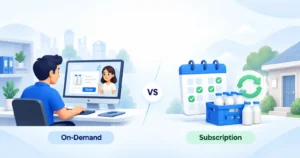
Before adopting GPS tracking, confirm that the software matches your delivery rhythm: clustered stops, returns, cylinder exchanges, or morning milk runs. Industry guides stress user experience because only a tool that dispatchers and riders grasp in minutes will deliver lasting gains. If your fleet mixes scheduled and on demand work, look for a platform that lets you rebalance midday without deleting the original plan. You do not need complex algorithms to see value; a clear live map, correct task lists, prompt status buttons, and simple role based permissions are usually enough to cut idle time, missed windows, and detours.
Our team at Tarsil offers one connected platform for recurring and route based deliveries across water, milk, LPG, internet, cable, courier, and other field services. From the web dashboard you assign tasks by zone, track live rider positions, review route history, and decide who can view operational or financial data. The driver app handles real time updates, proof of delivery, and even works offline where coverage is weak. For a closer look at operations, reports, and stock controls, examine the full features list, and see how moving from paper and phone calls to a traceable process lets managers act on what they see now instead of what they hear later.