
Delivery management software for a small business can cost anything from nothing to several hundred dollars each month. The exact amount depends on how many drivers you run, how many orders you handle, and which functions you need across dispatch, real time tracking, proof of delivery, and customer updates. Restaurant owners, grocery teams, pharmacy couriers, and last mile logistics managers pay according to a mix of drivers, orders, and extras such as route planning or links to point of sale or ecommerce tools.
Three common pricing models
Vendors usually follow three structures.
- Flat monthly plan with driver or order caps. In a 2026 review, Onfleet is quoted at 599 dollars per month for its entry plan.
- Per driver pricing. The same review lists Track POD at 49 dollars, Detrack at 29 dollars, and OptimoRoute at 39 dollars for each driver profile.
- Volume or mixed tiers that weigh orders and riders together. Shipday advertises a free level up to a stated monthly order limit.
These numbers come from public vendor pages and work well for early estimates. Actual quotes vary by region, contract length, and bundled extras, so confirm current terms with any provider you shortlist.
Factors that raise or lower the bill
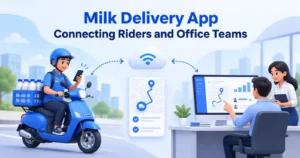
Costs increase with workflow complexity and the amount of control you want. If you move hot food on tight schedules, advanced route planning and correct predicted arrival times matter, and those modules often sit in mid or high tiers. Grocery and pharmacy operators often need strict proof of delivery with photos or signatures plus richer customer alerts, which can add to the recurring charge. Teams that rely on a driver app with turn-by-turn navigation, barcode scanning, and offline capture should check whether the app is in the base plan or sold as an add on. You can preview a typical flow in this mobile app overview.
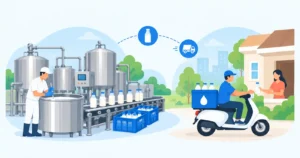
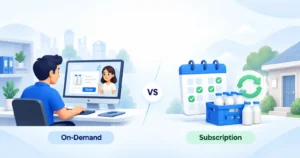
Integrations also affect cost. Many small operators connect the delivery system to point of sale, ecommerce, or online ordering platforms. Some providers include a few native connectors; others charge per link or sell an integration bundle. If you run recurring routes such as milk delivery or handle container swaps for LPG cylinder, check whether schedule templates, repeat invoices, or container tracking are in the starter package.
Less visible costs
Text alerts please customers, but SMS often carries a per message fee on top of the subscription. Image and signature capture can boost storage needs if you keep records for years. Hardware is another line item. Some teams buy Bluetooth printers or spare Android phones, and data usage for constant GPS logging is small per device yet grows across a fleet.
You may also meet one time setup charges for account configuration, custom templates, or importing legacy customer lists. If a platform offers AI dispatch or a branded customer portal, read the fine print to see whether it is included or treated as a premium add on. Reporting varies widely. Basic dashboards usually come standard, while deeper analytics and audit trails may sit in a pricier plan. This example monthly report shows how routine data can replace spreadsheets you maintain.
Building a realistic budget
Begin by listing the number of drivers who will log in at the same time and average orders per month across busy and slow seasons. Mark the non-negotiable functions such as real time tracking, route planning, proof of delivery, and a dispatcher screen. Then note options like customer portals, automatic review requests, or phone-based scanning. With that list you can compare one flat plan, several per driver quotes, and a volume tier to see which pattern fits your delivery profile.
Add a buffer for SMS, extra image storage, and two spare devices. Restaurant operators should add an allowance for a point of sale or marketplace connection. Field service teams or subscription drop offs such as water, milk, or gas should include a recurring job module. Last, consider the cost of change itself. Driver onboarding, dispatcher ramp up, and basic data import can be handled in a few sessions. A one week trial with five drivers often exposes real usage and shows whether the features are simple enough for the whole team to use day after day.
We are Tarsil Systems, and we offer a cloud-based ERP with an integrated rider app that links field activity with back-office records in real time. Customer ledgers, stock, and financials update automatically as deliveries and collections are recorded. With TrackBoard, GPS-verified visits, proof of delivery, and program-controlled SMS, you can see where your team traveled and what was delivered while keeping customers informed. If you want one connected view of orders, deliveries, and accounts on phone and web, learn more at Tarsil.