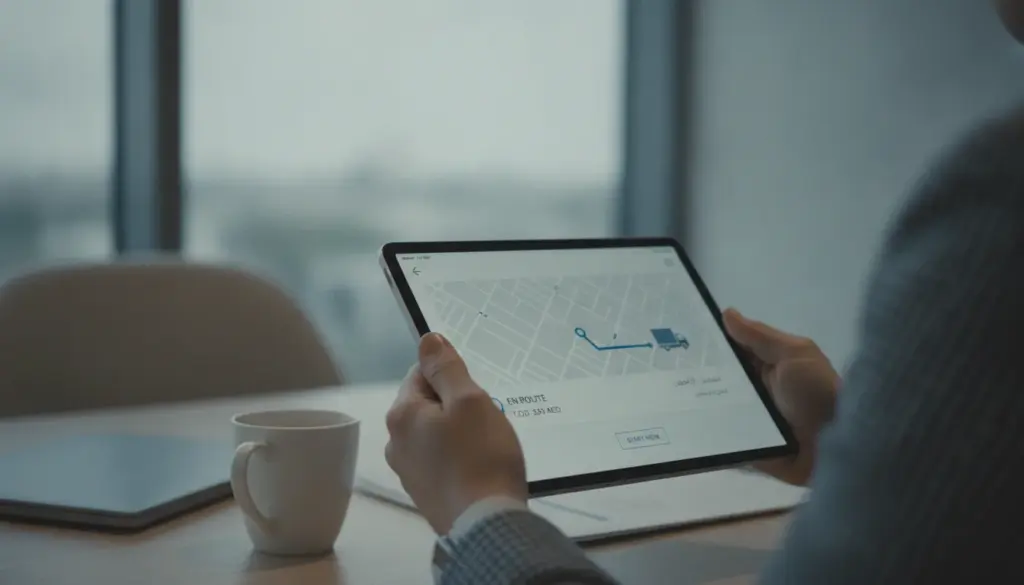
Choosing the right delivery platform for the Gulf and Pakistan is not only about maps and markers. Midday heat, mixed Arabic and English addresses, and crowded city windows make careful planning essential. A good system puts route design, live vehicle tracking, proof of delivery, and billing on the same screen so field staff are never guessing. When water distributors, milk suppliers, LPG vendors, or courier firms evaluate solutions, they gain most from software built for the realities of the last mile in these markets.
Daily realities in Gulf cities
Across the UAE, Oman, Saudi Arabia, Qatar, Bahrain, and Kuwait, drivers cope with gated compounds, sudden traffic diversions, and signal drops inside high-rise parking zones. Riders often juggle cash and digital wallets, collect empties, and handle urgent add ons. A sound platform supports offline app use so tasks are still visible when coverage fades, records GPS breadcrumbs that prove where a rider has been, and captures photos or signatures as clear delivery evidence. Flexible rate tables by city, zone, weight, or urgency let dispatchers mirror real street conditions in a few clicks instead of reworking spreadsheets.
Tools that keep dispatch moving
Modern route engines cluster orders into sensible multi stop runs. If one driver must pick up empty water bottles, drop new LPG cylinders, and gather cash on the same round, the planner can balance time windows and vehicle capacity without backtracking. Full truck load and less than truck load options keep seasonal peaks under control by showing exactly when a partial run still pays off.
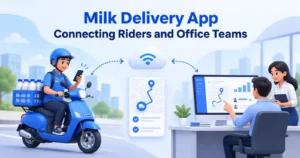
Stable master data is just as critical. Correct addresses, contact names, and product codes flow from dispatch to rider phones to invoices. Barcode and waybill scans at pickup and at drop reduce missing items, while the rider app displays navigation, collection notes, and customer numbers in one place. As soon as the rider marks an order delivered the customer receives a message with the digital proof. Built in rate cards, tax rules, and automatic invoicing shrink the usual end of day paperwork, and the reporting console exposes on time performance, failed deliveries by cause, and cash collected versus billed.
Water milk and LPG examples
Water companies that move nineteen liter bottles run weekly or two-weekly loops where collecting empties matters as much as dropping new stock. Software can flag which customers owe empties, schedule recurring routes, and store photo proof that bottles reached the warehouse. A short tour of focused water delivery processes shows how repeat loops and returns stay in one tidy view.
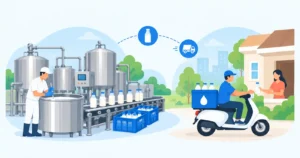
Milk distribution starts before dawn, hits many doors in tight streets, and demands instant receipts so riders finish on schedule. Platforms that allow quick order edits, split payments, and in-app receipts keep the morning flow steady. Sales and collection reports per rider and per route help supervisors spot skipped visits before they threaten retention.
LPG suppliers track full and empty cylinder counts, perform doorstep safety checks, and need a clean exchange record for every stop. A step by step look at LPG delivery illustrates how stock tracking and route optimisation combine so kitchens never go offline. Vendors that serve restaurants before lunch or dinner traffic rely on clear capacity limits and strict time windows; the same module that manages home exchange also keeps large orders predictable.
What to check before you buy
When you shortlist delivery software for gcc, probe four areas:
• Offline readiness. The rider app must store tasks, accept scans, and capture photos without service, then sync automatically.
• Dynamic rating. Dispatchers should adjust prices by zone, urgency, or weight in minutes.
• Integrated scanning. Barcode and waybill workflows need to ship in the core product, not as an extra plugin.
• Finance features. Tax handling, cash reconciliation, and auto invoicing must match local rules and work without export and reimport routines.
Good training is another sign of fit. A driver should scan one code, follow navigation, collect payment, and move on. Operations leads must create new service areas or update rates without opening a ticket. Finance teams expect clean ledgers that travel straight into their accounting stack.
A note on our own work
At Tarsil we focus on water, milk, LPG, and similar recurring models in Pakistan and the GCC. Real client data points to faster payment cycles, lower churn in the first year, and better field oversight through live GPS and offline capable apps. The features section breaks down route planning, proof of delivery, invoicing, and tracking, while the main delivery software page links them to day to day wins. You can also examine Tarsil for details that map directly to your current routes and collection flow.