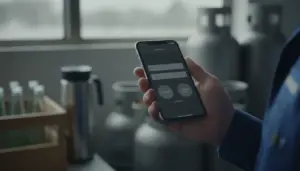

Tarsil is delivery management and field force tracking software that brings route planning, driver communication, proof of delivery, inventory control, and billing into one place. Businesses that send goods to homes or offices use it to keep field work and back office records in sync. Water distributors, milk suppliers, LPG cylinder services, and many small or midsize couriers mention the product when they search for modern delivery software because it covers the whole journey from order to payment.
Live tracking for field teams
The first question most dispatchers ask is whether they can see their riders on a map. Tarsil answers with a web based trackboard that shows current locations, travel paths, and time stamped events for each stop.
The map can replay the last sixty days of movement, so you can confirm whether a street was visited, find the moment a route fell behind, or match a customer complaint to the exact stop.
Because the trackboard sits in any browser, a supervisor can assign the nearest rider with two clicks or advise a driver who has strayed off route without waiting for phone calls. Feature details are listed under features.
Daily delivery work
Dispatchers start the day by turning orders into practical runs with the built in route planner. Streets that sit close together are grouped, long detours are removed, and drivers leave the depot with clear instructions.As new requests arrive or traffic changes, the plan can be edited and pushed to phones within seconds.
Drivers carry the mobile app, which lists stops, opens navigation in one tap, and shares live updates. Managers watch real time GPS dots instead of making constant calls, so they know who is ahead or behind schedule.
Once a parcel, bottle, or cylinder is dropped, the driver captures a signature or photo. This proof of delivery later settles any dispute about whether a visit was completed.
Stock, payments, and proof
For products that rotate, such as water bottles, milk crates, or LPG cylinders, stock control matters as much as speed. Tarsil records what left the vehicle, what came back, and what remains on board. The same entry feeds both inventory and billing, which removes double data entry.
Many companies also collect money at the door. The app logs cash, card, or mobile payments against the exact order, so finance staff do not chase receipts at the end of the day. Users frequently report faster settlement once every collection is tied to a delivery record.
Tarsil notes that some clients have cut manual paperwork in half, though results differ by industry.
All these steps are protected by an offline first design. If the signal drops in a rural valley or a basement car park, the app keeps recording tasks and synchronises when coverage returns. That single choice keeps field teams productive instead of waiting for bars to reappear.
Accountability from order to payment
Every visit starts with an electronic order and ends with a signed receipt that the system stores beside the transaction. The driver app captures the customer signature on screen, prints a paper receipt through a small Bluetooth printer, and sends the data back to head office in seconds.
Payment and receipt vouchers, debit or credit notes, and journal entries flow into the same ledger, so the storekeeper, accountant, and route manager all view exactly the same numbers.
Standard reports cover sales, orders, monthly trends, customer activity, item ledgers, profit and loss, and the balance sheet. Instead of chasing paper slips you can open a verified audit trail in moments. Practical stories from field users are shared on the company blog.
Sector specific examples
Water services rely on recurring schedules. They mark customers who need bottles on Monday, Wednesday, and Friday, then let the software repeat the route each week. The live map shows which riders finish early and which run late, so an urgent extra case can be slotted without confusion.
In milk delivery the work often starts before sunrise. Quick confirmation at each doorstep is essential because customers rarely open the door. A photo of bottles on the mat feeds a ledger that ties crate counts to each client.
That record prevents debate later when empties are tallied in the yard. More detail is found under Tarsil’s milk delivery guide.LPG teams juggle safety rules and high volume. Restaurants may want bulk drops while homes need single cylinders.
Route planning assigns both types to suitable trucks, and real time tracking shows which driver can accept a last minute refill.
The system also records cylinder size, deposit value, and whether an empty unit was returned. See the specific options highlighted in the LPG overview.
Reported results
Operations leaders use dashboards to pull reports on visits, delays, returns, and revenue. Finance pulls the same data to reconcile payments and stock. Customer service staff check the live status before calling a driver, which cuts repeat calls from customers who simply want to know when the van will arrive.
Tarsil shares several outcome ranges from active clients:
• Revenue growth up to 30 percent
• Manual work reduced by about 50 percent
• Payment collection speed improved by roughly 30 percent
• Churn lowered from 32 percent to 7 percent in selected cases
Since 2021 users in more than seventy cities have recorded over one hundred million United States dollars in transactions and delivered forty five million items through the platform.
Each company is different, yet the figures show that linking routing, tracking, proof, inventory, and billing in a single system helps both the crew on the road and the team in the office.
Our USP is offline first tracking and billing that continues when the network drops, which keeps field work moving even without signal.
For a full feature list visit the product features page.