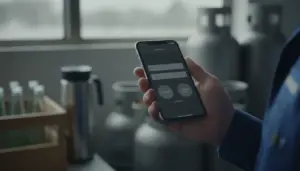

A Field operations platform unites every moving part of off site work so your team can plan, carry out, and confirm daily routes and visits without guesswork. For water delivery fleets, milk distributors, LPG cylinder suppliers, and delivery services across Pakistan and the Gulf, tighter schedules and clearer communication mean fewer missed stops and faster decisions even when local conditions change.
What a platform does for delivery teams
At its core, a Field operations platform gives managers and dispatchers a single screen view of the day. Orders become routes, routes become visits, and visits generate verified results that the office can track without phone calls or paper slips. In practice, the hub combines GPS tracking that shows where drivers are, job assignment that matches skills and zones, and stepwise workflows that cut chatter.
Dependable routing and dispatch form the first building block. A good system helps you arrange stops, respect customer time windows, and adjust when traffic or rain slows a segment. If you are weighing tools for small teams or mixed fleets, start by seeing how each vendor handles delivery planning and mobile proof. The market overview under delivery software shows the range. When your day hinges on the correct sequence of water cans, milk crates, or gas cylinders, a small change in stop order can save kilometres without adding work for the driver.
Route design matters most before the first vehicle leaves the yard. For a short look at stop sequencing, read this route planner note.
Built for Pakistan and GCC realities
Anyone who coordinates field work in Karachi, Lahore, Riyadh, Jeddah, Dubai, or Doha knows that conditions shift each hour. A solid platform stores data offline when the signal drops then syncs photos, notes, and signatures once the device reconnects. Many modern tools add geofenced attendance to confirm that a driver started from the depot or reached the customer location before closing a task. Industry studies show that this feature cuts time theft and lowers compliance questions while staying simple for staff.
The same system should hold safety and quality checks that match your product. Milk distributors can record cooler temperatures and seal numbers during drop off. LPG suppliers can log valve checks or leak test results. Water delivery teams can attach cap photos or container counts at every stop. If your routes repeat on set days, choose a platform that treats service agreements and visit frequency as core data. Sector specific examples appear under water delivery.
From management visibility to customer trust
Real time tracking lowers constant status calls, and structured updates give crews a clear path to finish. Simple measures such as time on site, first attempt completion, and repeat visit rates reveal bottlenecks without spreadsheets. When drivers capture notes and parts used, the office knows what happened and the customer receives a full record.
Trust at the doorstep often rests on small details. A signature, a stamped photo, or a note that the cylinder went to a neighbour can prevent disputes. Competitor content points to proof of work and offline sync as central because they protect the record even when the network is weak. For a quick look at how vendors confirm the last metre, review delivery proof.
Choosing a platform for multi team operations
There is a clear gap between field service software that focuses on repairs and a wider Field operations platform that supports delivery, logistics, sales, and service across many locations. Field service tools target work orders and first visit fix rates in trades like HVAC or plumbing. A wider operations platform covers tracking, reporting, task flow, and team collaboration for large mobile workforces. If your business relies on drivers, helpers, depot staff, and back office coordinators, lean toward the wider model so personnel management, resource allocation, and process design live in one system.
When you review vendors, test scheduling flexibility, mobile app clarity, location tracking, geofenced attendance, offline capture, and analytics. A brief feature scan is available under features.
Tarsil builds delivery first workflows for water, milk, and gas teams so that dispatch, routing, and doorstep proof fit the way your crews already work. Industry reviews and side by side comparisons are a helpful first step before you invest time in configuration or pilot projects.