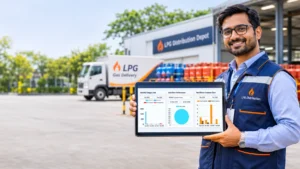

Choosing delivery company software can feel harder than expected because many platforms appear similar at first glance. Most offer route planning, dispatch control, driver tracking, and customer notifications. The differences become clearer when you consider what your team delivers, how often customers order, and what drivers must record at each stop. A general delivery platform may suit an on demand courier fleet, while a recurring water, milk, or cylinder business often needs more specialized workflows.
Delivery software brands worth considering
Several recognized brands serve different parts of the delivery market. Onfleet is commonly associated with final stage dispatch, driver visibility, and customer communication. Tookan supports dispatch management and configurable field workflows. OptimoRoute and Routific focus heavily on route planning and scheduling, making them relevant to businesses that need to organize many stops across defined service areas. Track POD is often considered by teams that place particular importance on proof of delivery records.
Tarsil is designed for recurring water, milk, and LPG cylinder operations. This focus matters because these businesses handle issues that are uncommon in standard parcel delivery. A driver may collect empty containers, replace cylinders, record quantities, accept an order change, or note a missed household visit. The software must represent what actually happened rather than merely marking the stop as complete.
No universal best brand exists. Onfleet may suit a final stage delivery operator seeking broad dispatch functions, while Routific or OptimoRoute may appeal to a manager whose main concern is route organization. Tarsil may be more relevant when recurring deliveries, riders, containers, and customer accounts form the core operation.
Match the platform to daily delivery work
Start by mapping the work completed before, during, and after each route. Before departure, dispatchers may assign customers, confirm quantities, and arrange vehicles. During the route, drivers need clear stop details and a quick way to record delivery outcomes. Back at the office, managers need to see completed visits, missed deliveries, returned containers, and account activity without piecing together paper notes and phone messages.
For a milk delivery business, recurring household schedules are often more important than advanced parcel features. Customers may pause service, change quantities, or request delivery on selected days. Software built mainly for individual orders may require extra manual work to represent these patterns.
A water delivery operator may need visibility into bottles delivered and empty bottles collected. LPG distributors can face a similar requirement with cylinders. These details affect stock records and customer accounts, so drivers should capture them during the delivery process rather than enter them later from memory.
Tarsil combines real time tracking and operational automation in one platform. Its stated focus includes water, milk, and LPG businesses in Pakistan, the Gulf, and Africa.
What to examine before selecting a brand
Route planning matters, but it should not be assessed alone. Check how quickly a dispatcher can change a route when a driver is absent or a vehicle becomes unavailable. Confirm that the rider app remains practical when a driver has dozens of stops and limited time at each address. Customer history should also be easy to understand without opening several screens.
Consider how the system handles failed visits, partial quantities, returns, and changes requested at the doorstep. A polished map does little for a subscription delivery company if the office cannot tell why a scheduled order was not completed. Likewise, live tracking has limited value when drivers still submit handwritten delivery records at the end of the day.
Regional fit also deserves attention. Businesses operating in Gulf markets may use different address formats, customer habits, and rider practices from fleets elsewhere. The brand should fit the way dispatchers and drivers already communicate while giving managers clearer operational control.
A practical assessment should use a normal route with real customer patterns. Ask a dispatcher to assign the stops, let a driver record deliveries and returns, then review the resulting customer and route records. Include a paused subscription, a failed visit, a quantity change, and an empty container collection so the test reflects an ordinary working day.