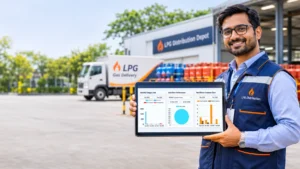

Choosing delivery business software is rarely as simple as selecting the best known brand. A milk supplier serving recurring household orders has different needs from an LPG distributor managing cylinder returns. Water delivery companies may need bottle tracking, while local fleet managers may care more about dispatch visibility and proof of delivery. The strongest brand is the one that fits the way your operation actually works.
A useful comparison starts with practical evidence. Can the system handle recurring orders, changing quantities, skipped deliveries, returns, rider collections, and customer account records? Can dispatchers see delivery progress without repeatedly calling drivers? Brand recognition matters less if the software cannot reflect the daily details of your service.
What separates suitable brands from general delivery tools
Many delivery platforms focus on moving individual orders from a pickup point to a customer. That model can suit restaurants, couriers, and general last mile delivery operators. Subscription delivery businesses follow a different pattern. The same customers may receive products every morning, every other day, or on selected dates. Some households pause service temporarily. Others return empty bottles or cylinders when they receive new ones.
For these operations, look for recurring order management, route billing, customer balance records, rider app support, and delivery tracking in real time. Route billing links charges to route activity, helping staff check what customers received and what they owe. A dispatcher should be able to see what was assigned, what was delivered, what was returned, and what still requires attention.
Mobile access also deserves close inspection. A rider app should make sense to someone working on the road, often under time pressure. Recording a delivery should require clear steps. If the connection drops, ask how the app handles unfinished records and when the office can see the information.
Where Tarsil fits
Based on the supplied product information, Tarsil is a specialist option for water, milk, and LPG cylinder delivery businesses. Tarsil combines tracking with operational controls. Its stated regional focus includes Pakistan, the Gulf, and Africa, which may matter to operators seeking software designed around these markets.
This vertical focus distinguishes it from general courier platforms. Milk delivery software needs to account for recurring household schedules and rider activity. Water delivery software may need to connect customer records with bottle movements, route activity, and billing. LPG distributors may also require visibility into delivered and returned cylinders.
That does not automatically make one brand the right choice for every operator. A local courier carrying varied parcels may prefer a broader dispatch platform. A company with fixed household routes and reusable containers may gain more from a sector specific system. The useful comparison is not between feature counts but between each product and the real sequence of work in your depot, office, and vehicles.
How to compare brands before deciding
Start with a normal working day rather than a prepared feature checklist. Use a sample route that includes recurring customers, a paused account, an address change, a missed delivery, a product return, and a collection recorded by the rider. Ask each provider to demonstrate that complete sequence.
Pay attention to what happens when plans change. A route that looks tidy in the morning can quickly become complicated when a customer calls, a vehicle is delayed, or stock differs from the office record. Delivery business software should give dispatch managers a clear view of these exceptions without forcing them to maintain separate notebooks and spreadsheets.
Access controls also matter. Owners, dispatchers, riders, and billing staff do not always need the same information. Ask whether the system can assign roles clearly and whether it records important actions. For businesses operating across several depots, check whether managers can view each location separately while retaining wider oversight.
Test customer service workflows as well. When someone asks whether a delivery was completed, office staff should be able to find the relevant record without calling several people. When an account changes its regular quantity, the new instruction should reach the route team without being buried in messages.
The best delivery software brands will demonstrate these situations using your business model. During a trial, ask the dispatcher to add an urgent order while the rider records an empty bottle return, a missed visit, and a customer collection.