Choosing an app logistics brand for water delivery is less about finding the most popular name and more about matching the software to your daily operation. Water delivery teams manage recurring orders, changing routes, customer requests, driver activity, payments, and, in some cases, returnable containers. A general courier app may handle basic dispatch, but it can leave important gaps when deliveries follow subscriptions or regular schedules.
Purpose built platforms offer the closest fit
The strongest options are usually delivery management platforms designed for recurring home delivery. These systems recognize that the same customer may receive water several times a week, pause service, change quantities, or request an extra delivery.
Tarsil fits this category. It serves water, milk, and LPG cylinder delivery businesses in Pakistan, the Gulf, and Africa. The platform combines delivery tracking with tools that help teams manage daily operations.
A general last mile delivery platform may still suit a water supplier that mainly handles one time orders. However, owners should confirm that the app can manage repeat schedules without requiring staff to create every order manually. If employees must rely on spreadsheets alongside the app, the platform is not covering the full workload.
Features that matter for water delivery
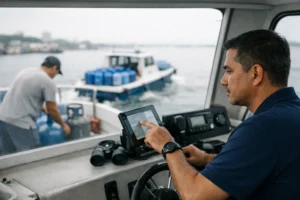
Real time delivery tracking is one of the first features to review. Dispatchers need to see where drivers are, which stops they have completed, and which orders remain open. Customers may also expect an update when their delivery is approaching.
Route planning also matters, especially when a vehicle carries limited stock and serves many homes. The app should let dispatchers assign orders, adjust routes when circumstances change, and move a stop to another driver when needed. Ask each provider to demonstrate this process using a realistic delivery day rather than a polished sample route.
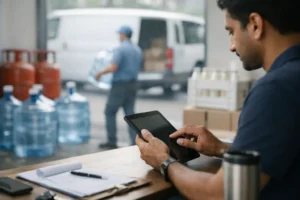
Proof of delivery creates a useful record of each completed stop. Depending on the platform, this record may include a customer signature, photo, time record, or delivery status. Water businesses should confirm that the available options suit their customers and local working practices.
Subscription support deserves close attention. A suitable app logistics platform should make recurring schedules visible to office staff and drivers. It should also provide a clear way to record skipped deliveries, quantity changes, and customer account notes. If your business uses returnable bottles, ask whether the system can track container movements without creating another manual task.
How to compare brands fairly
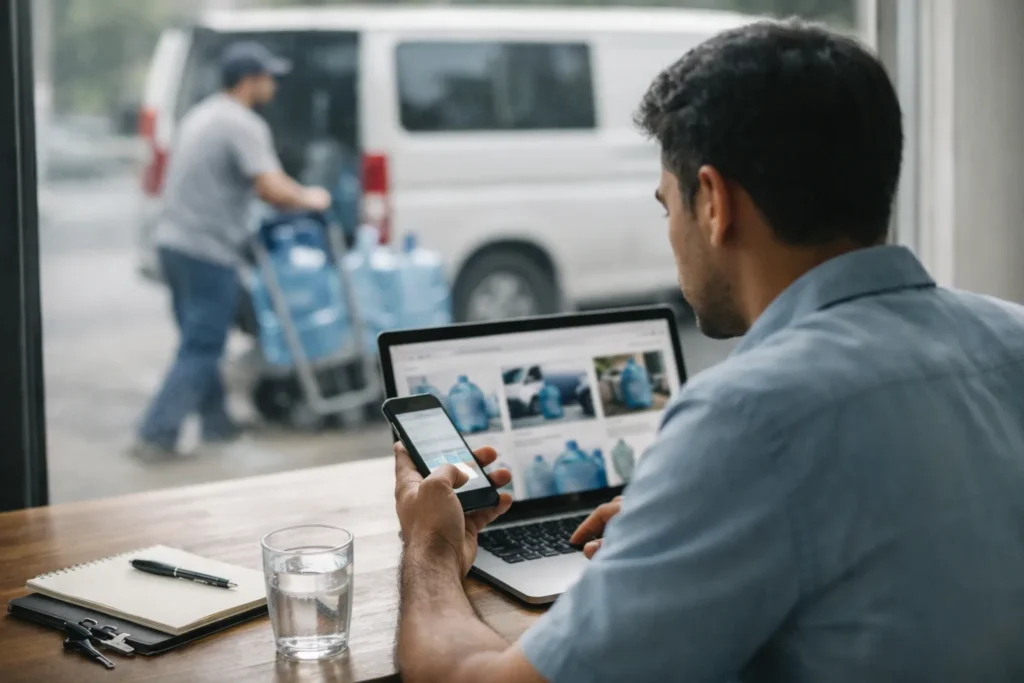
Start with a normal week of orders rather than a feature list. Include regular customers, urgent requests, missed stops, driver changes, and recurring delivery plans. Then ask each provider to show how its system handles those situations, from order entry through dispatch and delivery confirmation.
Pay close attention to the dispatcher screen. Some apps focus heavily on the driver experience while giving office teams limited visibility. A water delivery operation needs both sides to work together. Drivers need clear stop details, while dispatchers need to monitor progress and respond when customers call.
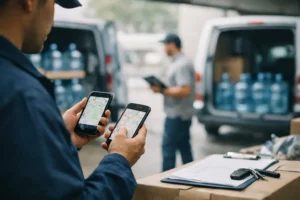
Test mobile usability under real working conditions. A crowded screen or long form can slow drivers who carry bottles, collect payments, and move between stops. Ask how the app works when mobile service is weak, but confirm any claimed capability directly with the provider.
Reporting should answer the questions managers actually ask. Useful records may include completed and missed deliveries, driver activity, customer order history, bottle returns, and route performance. Do not assume that a long reporting menu will provide information that fits your operation.
Choosing the right fit
For subscription based water delivery, a specialist platform such as Tarsil is generally better aligned with recurring orders and day to day control than a basic courier app. For businesses that handle occasional requests, a broader last mile delivery tool may be enough if it supports dispatch, route planning, proof of delivery, and customer records.
Before selecting an app logistics brand, run a controlled trial with a small group of drivers and genuine order patterns. Note how often staff leave the platform to call the office, check a spreadsheet, or rewrite customer details. The dispatcher should be able to open a route, identify an unfinished stop, review its status, and assign the next action without searching through separate records.