
Running a delivery first business is hectic. Phone calls, website checkouts, and marketplace tickets arrive at once while drivers wait for their routes. Owners of bottled water, fresh milk, LPG cylinders, and general courier services across Pakistan and the GCC need one screen that shows every order, slashes manual entry, and matches how field teams really work. Lists from Forbes Advisor or NerdWallet compare fees and hardware, yet they rarely examine driver handoff or depot stock. Before signing a contract, read independent reviews that highlight order sync, live support, and uptime at peak hours.
What matters for delivery heavy businesses
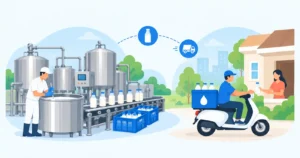
Integration is the first hurdle. Most cloud POS solutions record walk in sales and basic website orders, but delivery operators require more. Your system must pull orders from your site and every marketplace you use, keep one item catalog, then send confirmed tickets straight to dispatch without retyping. A bottled water delivery company needs the same bottle sizes and deposit values across web, app, and register. LPG suppliers must track empty cylinder returns with each new order. Dairy routes rely on recurring drops that land on the correct day and address, not a vague customer profile.
Inventory is the next checkpoint. Restaurant blogs talk about menu sync and ingredient deduction, yet delivery businesses must also see stock by depot, truck load counts, and swaps or returns against inventory. If your POS cannot show stock at each location, the team will be back to spreadsheets every night.
Security cannot be an afterthought because you handle payments and addresses on tablets and phones. Automatic updates and encrypted traffic are standard, but press vendors on lost device response, staff roles, and audit trails for refunds. You need real control, not a marketing bullet.
Features to compare
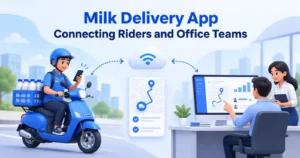
Order capture across every channel should be native or backed by stable connectors. Marketplace, website, and phone orders must land in one queue, then flow to dispatch with items, address, and notes intact. The driver handoff should include contact details and a simple way to record proof such as a photo or signature.
Payments must reflect local habits. Many customers still prefer cash on delivery beside cards and wallets. Your POS should tie field cash to the original order and make daily reconciliation clear. Refunds and partial credits must link to staff names and reason codes.
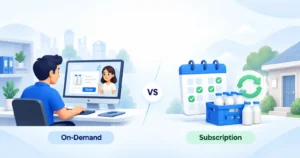
Customer management is more than a phone book. You need full order history by address, skip or pause requests for subscriptions, and targeted messages that fit real delivery windows. For milk delivery, the system must support daily, alternate day, or weekly patterns without messy workarounds. LPG orders should surface safety notes automatically.
Reporting should answer everyday questions: Which routes run late, which products run out, which drivers collect the most cash, and which sales channel brings the most repeat buyers. Most cloud POS tools deliver basic sales totals, yet delivery teams need route and fulfillment views, not just register figures.
Finally, test the software on a shaky connection. Depots and field staff cannot stop when the internet drops. Many vendors claim offline order capture or local caching. Ask to see it live.
Practical buying checklist for Pakistan and GCC
- Confirm integrations with your actual marketplaces, and be sure your own website syncs items, prices, and availability both ways.
- Check that addresses and maps flow straight into dispatch without copy and paste.
- Verify support hours. You need help during late evenings, Ramadan peaks, and weekend rushes.
- Make sure the POS prints VAT invoices and exports data in a format your accountant accepts.
- Look for Arabic and Urdu interfaces to cut training time and reduce errors.
- Ask for recommended phones or tablets that survive heat and dust.
- Demand clear data ownership. You should export orders, items, customers, and payments whenever you want.
- Favour open APIs if you plan to bolt on routing, warehouse, or loyalty software later.
General buyer guides weigh transaction fees and hardware costs. For delivery businesses, give equal weight to support quality, integration depth, and fulfillment reporting.
Pilot before you commit
Many operators follow one proven approach: shortlist three vendors, confirm the connectors for your core sales channels, then run a live pilot on a quiet route. At Tarsil we focus on delivery first operators, connecting order intake, routes, and drivers while pairing with your chosen cloud POS. Browse our features to see routing and proof capture in action, then test a pilot store for a week with real orders and drivers. The live trial will reveal how the POS handles late night spikes, missed deliveries, and patchy data signals better than any brochure ever could.