
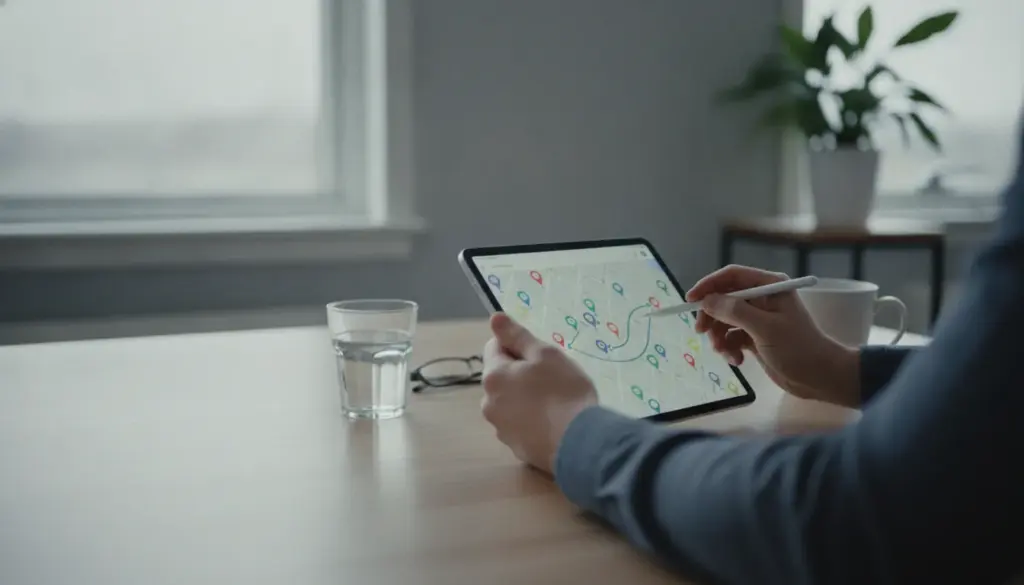
Water delivery software turns chaotic delivery days into dependable patterns that drivers and dispatchers can trust. Whether you deliver bottled water, milk, or LPG cylinders, you already juggle recurring orders, time windows, and container returns. The core goal stays the same: translate customer demand into the fewest miles and the smoothest handoffs with as few surprises as possible. Tools like water software do this by combining customer data, delivery constraints, and live driver feedback to build and refine routes that work in practice.
Inputs that shape the route
Planning starts with stable data. Orders arrive from subscriptions as well as one-off requests. Customers leave notes such as gate codes, cooler locations, or instructions for unattended drops. Dispatchers assign time windows to offices and homes. Vehicles have limits for both full bottles and empty returns. Start and end depots are fixed, and some crews schedule mid-shift restocks.
Reusable jugs add pickups to the plan alongside drops, so the software must treat returns as genuine stops, not afterthoughts. When you compare platforms, independent reviews often highlight recurring route management, proof of delivery, and billing links as must-haves.
How the engine produces daily and recurring sequences
After it has the inputs, the system groups nearby stops, honors time windows, and orders visits to avoid backtracking. The target is not a perfect theoretical path but a schedule drivers can follow. Water distributors lean heavily on templates: a Tuesday morning loop through downtown offices looks almost identical each week, while the engine quietly inserts new customers and removes paused ones without destroying the rhythm.
Capacity rules keep the template realistic. If a truck leaves with one hundred full bottles and expects forty empties on the return, the plan respects both numbers. Different service times for homes and offices feed into the solver so late-day congestion does not snowball. When a customer calls with a last-minute request, dispatchers can drag a stop onto the route; the system recalculates arrival windows and workload without rebuilding the whole day.
Live execution through driver apps
A plan works only if drivers can follow it. A driver app provides turn-by-turn navigation, customer notes, and a clear stop list. As traffic snarls or on-site delays crop up, the dispatcher sees progress immediately and can shift stops between drivers or reorder the list. Most public comparisons mention proof of delivery, often photos and signatures, which is vital for unattended drops at homes. If a driver stages water inside a lobby, a photo that shows both new bottles and collected empties settles later disputes. A short proof overview covers this in detail.
Returns tracking closes the loop. The driver records how many empties were collected, whether deposits apply, and any damaged bottles. That information flows into inventory, letting the warehouse know how many fulls to load tomorrow and how many empties need sanitizing. The same habits apply to other containers; if you also deliver gas, the LPG guide shows parallel choices for that sector.
Billing links and route analytics
Routing does not operate in isolation. When a delivery is marked complete, billing integration should create the invoice automatically. Many distributors prefer direct links with accounting suites such as QuickBooks, so pauses, skips, and bottle count changes appear in both the route and the customer ledger. This is especially important for deposits on reusable jugs, where drops and pickups must stay in sync.
Historical data sharpens the plan over time. Dispatchers watch stops per hour, first-attempt success rate, miles per stop, and how often drivers miss their planned window. If a cluster near a school runs late every Friday, move those stops earlier on the template. If one driver consistently finishes light while another limps in overloaded, rebalance their orders. Public rankings of delivery software reward these feedback loops, and many buyers consult a concise features list before choosing a tool.