
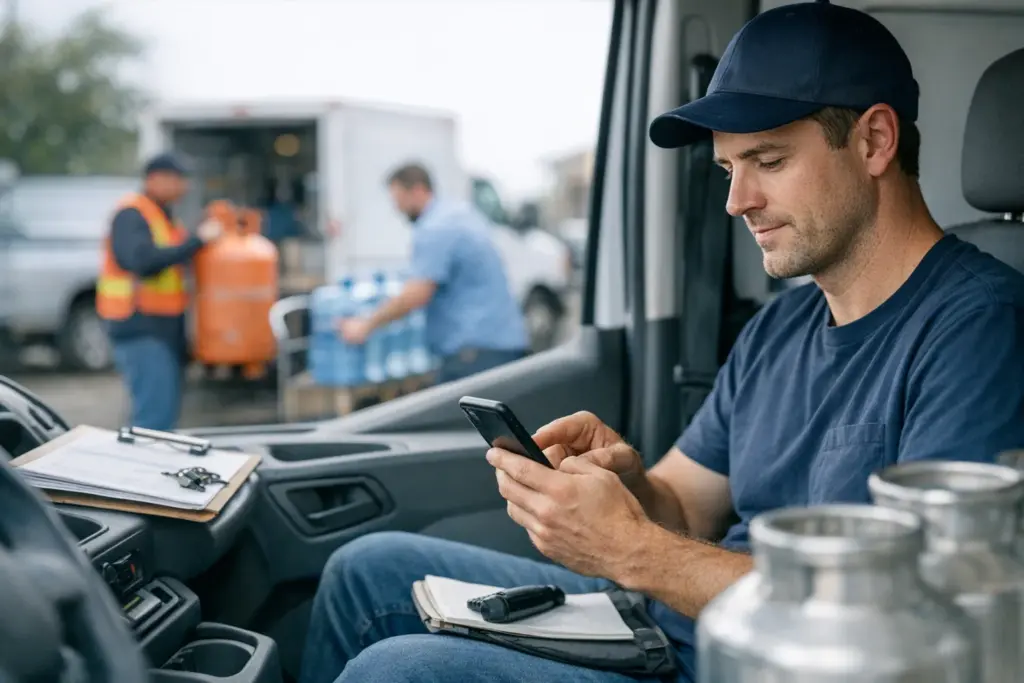
A field operations platform is a software hub that connects office staff with the drivers, riders, and technicians who spend their days on the road. Instead of juggling phone calls and scattered spreadsheets, you see every task, route, and result in one live map and dashboard. Whether you deliver water, milk, LPG cylinders, or parcels, the platform shows what is happening outside the office and lets you react the moment plans shift.
A single source of truth for mobile work
At its core, a field operations platform is a digital system for workforce planning, task scheduling, real time data capture, and decision support. Modern products replace stand-alone GPS dots with a complete timeline of who is doing what, where, and when. You assign jobs, watch progress as it unfolds, and receive automatic reports that help you coach teams and shape tomorrow’s plan with fewer surprises. A quick look at common features shows tools for shift creation, mobile forms, location awareness, and summary reporting in one place.
Five must have capabilities
- Scheduling and dispatch that match the pace of the day. Create shifts in minutes, then adjust as new orders arrive. Drivers see updates on their phones without extra calls, so everyone works from the same plan.
- Location and route coordination for fewer detours. Live vehicle positions let you spot coverage gaps and send the closest driver to a fresh stop. Many fleets add an in app route planner to cut backtracking and keep arrival windows realistic.
- Task completion with stable evidence. Every stop can collect photos, notes, customer signatures, and timestamps. Built in proof of delivery ends disputes quickly, even when drivers work offline and sync later.
- Attendance and site presence you can trust. Check in rules tied to time and place confirm that a team member is on the right premises before recording attendance, which discourages time fraud.
- Reporting that turns movement into insight. Instead of guessing which routes take longest or which clients cancel most often, managers view completion rates, visit counts, distance traveled, and real time exceptions while the shift is still active.
How it differs from field service software
Field service applications focus on break fix jobs such as repairs and maintenance, often with parts tracking and warranty rules. A field operations platform covers wider delivery and distribution work that changes daily. If your world revolves around recurring routes, mixed cargo, and last minute orders, you need broader coordination than a service only tool can give. The operations platform handles high volume drop sequences, on the fly changes, and rapid proof collection, all without the extra modules that belong in a maintenance shop.
Where the platform proves its worth
Water delivery firms handle subscription drops, top ups, and empty bottle returns. The platform assigns routes by zone, shows how many full containers each client expects, and records empties with photos so inventory matches reality. See industry detail in our water guide.
Milk distributors race through tight morning windows. Dispatchers watch live maps, shift a few stops when customers call in late, and push the new order to the driver’s phone. Drivers follow a clear sequence, note shortages or swaps, and head to the next street without returning to the depot.
LPG suppliers need strict safety checks. Before loading, drivers run a vehicle checklist. On site, the app prompts for valve inspections, seal numbers, and photo evidence. Cylinder swaps are logged immediately, and office staff see the result in real time. More detail appears in our LPG article.
Courier fleets face fluctuating demand and mixed vehicle sizes. A platform divides large zones into fair workloads, guides each driver with entry notes, and captures signatures or doorstep photos on arrival. Consistent proof of delivery cuts disputes and shortens follow up calls.
Across these sectors the same building blocks repeat. Managers set the plan with scheduling and dispatch. Field teams follow clear routes and tasks on a phone. Attendance and site presence are recorded automatically, not in a spreadsheet. Leaders then review reports that reflect the day’s work, not estimates. With these blocks in place even a small fleet gains predictable service quality without adding layers of complexity.