
Finding the right delivery platform is never one size fits all. A water supplier in Karachi, a milk distributor in Jeddah, and an LPG cylinder service in Lahore meet different realities each morning. The best choice depends on how orders arrive, how money changes hands, and how jobs move from a dispatcher’s screen to a driver’s phone. Independent round-ups from 2026 examine the same core points, and user comments and expert reviews let you see how each product performs in the field.
Key criteria when you compare platforms
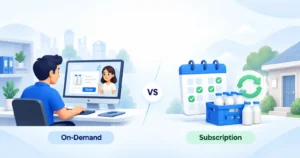
Supported delivery patterns come first. Some systems shine with on demand runs, while others handle fixed recurring drops such as daily milk or weekly water. Courier-oriented tools often add a small scanner app that records every parcel that passes through a depot, an advantage if you sort before loading.
Finance modules are just as important. Driver wallets, cash on delivery controls, and built-in invoicing spare hours of reconciliation, a real gain in markets where cash is still common.
Customer and merchant portals deserve a hard look. A white label portal that lives on your own domain lets clients place and track orders, download invoices, and change schedules without calling the office. Dispatch intelligence helps the back room: predictive arrival times, route optimisation, and live driver locations keep routes tight and customers informed. Finally, good design makes training easier. A single screen dispatcher view and a clear driver app shorten onboarding for seasonal or multilingual crews.
Matching tools to tasks
Independent reviewers now group products by strength rather than naming an overall winner.
- Onro appears again and again for courier companies. It offers a dedicated hub scanner, customer profiles with invoices and address books, driver wallets, strong COD handling, and multi-channel updates through SMS, WhatsApp, or email.
- Onfleet often suits large in house fleets that manage many delivery jobs each day.
- Track POD is highlighted when proof of delivery and thoughtful route building matter most, with photo and signature capture front and centre.
- Shipday is popular with restaurants that want a free entry tier, live GPS, and phone based workflows.
- Spoke keeps dispatch simple for small crews working the last part of the journey.
- DeTrack blends field service tasks and parcel drops, giving both job confirmation and tracking in one place.
- OptimoRoute ranks well for fixed routes that repeat on set days and rely on historic analytics.
These tags are not absolute, but they help you focus trials on tools that already excel in work similar to yours.
Points to watch in Pakistan and the GCC
Cash on delivery remains daily reality across the region, so shortlisting software with driver wallets and clear end of day cash checks is wise. Proof of delivery through photos and signatures is another must have for consumer goods and home utilities, especially when attendants may not be present.
WhatsApp alerts can outperform email because customers in Karachi, Riyadh, or Dubai often reply faster on chat. Several platforms now note driver apps in multiple languages, useful for mixed crews speaking Arabic, Urdu, Hindi, or English. If your tariffs change by district, zone based pricing lets the system mirror your real costs. When you need deeper insight into confirmation flows, this short note on proof can help you frame vendor questions.
Sector snapshots: water, milk, LPG
Water suppliers with subscription routes need optimisation that handles many stops and fixed cycling days. Reviews often praise Routific for dense urban routes. A simple portal where clients skip a delivery or add extra gallons keeps schedules stable. For a quick list of essentials, start with this water delivery guide.
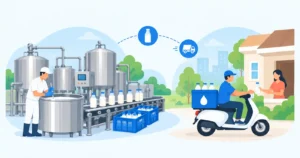
Milk distributors face pre-dawn starts, standing orders, and last minute substitutions when stock shifts. A dispatcher view that highlights live ETA changes and driver progress cuts missed time windows. Automatic SMS or WhatsApp notices prompt store managers who may not check email during morning prep. Photo or signature proof keeps accounts clear when shops open late.
LPG suppliers handle urgent calls and safety checks at the door. Besides route planning and proof, you will need order windows, COD controls, and short driver prompts for cylinder counts and safety questions. For outlets that drop bulk to large restaurants, look for scheduling rules that respect agreed service days. Operators mapping these steps may find practical LPG tips valuable.
Build and use your shortlist
Write the must have features on a single page, then test each one against a busy day scenario during every demo. Watch how easily each system handles real addresses, cash splits, and driver messages. At Tarsil we design for local fleets and publish a clear features list that shows how common workflows run in practice. A disciplined checklist keeps trials honest and ensures the platform you choose will fit your routes, your people, and your customers.