Delivery software can transform a small team that juggles phone calls, WhatsApp messages, cash on delivery, and drivers already on the road. For owners in Pakistan and the Gulf who run water, milk, or LPG cylinder routes, the right choice depends less on a famous logo and more on how well the program mirrors real stops, daily volumes, and customer habits. Verified user reviews are a quick way to see whether marketing claims match everyday performance.
Judge the fit
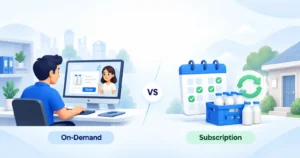
Start with the flow of a single order. Some platforms shine at pure on demand work with instant dispatch, while others focus on planned routes and repeat bookings. Core needs usually include route planning, driver location with correct arrival times, and clear features such as a customer portal, driver app, and dispatcher map on one screen. If you handle cash on delivery, look for driver wallets and basic invoicing. Teams that operate hubs can cut mistakes by scanning parcels at inbound and outbound gates. For household or restaurant drops, proof of delivery matters. A tool that stores photos or signatures with time and location gives you instant POD when a client asks where the order went. Finally, test notifications. Many firms in the region rely on SMS or WhatsApp to warn of delays, so flexible customer messages are worth checking during a trial.
Strengths of leading tools
Shipday markets itself as an AI driven platform with automatic dispatch, review requests, and refund collection. The company claims more than six thousand users in over one hundred countries and over thirty million orders delivered. Restaurants that want quick setup and real time arrival estimates often report good results.
Onro is often named by courier companies. Reviewers praise an accounting module that tracks driver withdrawals, wallets, and cash on delivery. The system offers a scanner for hub work, zone pricing, and branded customer pages, so it suits fleets that need tight financial control linked to every trip.
Onfleet is popular with retailers that own their vehicles. Users highlight route planning paired with mobile signatures. Spoke appears in discussions about last mile distribution networks, while DeTrack attracts field service teams that need job status plus proof of work. OptimoRoute usually comes up when companies run the same stops every day or every week. These patterns come from public comparisons that rate dispatch logic, interface clarity, self service portals, and money handling tools rather than brand fame.
Water milk and LPG needs
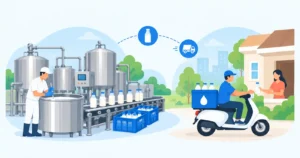
Water distributors live on repeating orders and fixed time windows. They value live driver arrival times and quick photo proof when bottles reach the door. Address books, order templates, and easy rebooking save minutes each shift. Software built for water delivery therefore focuses on schedules instead of pure on demand jobs.
Milk managers face early morning deadlines and standing orders for homes and shops. A small portal where customers can adjust quantities the night before limits phone traffic and errors. Dispatchers appreciate one clean screen that shows driver progress and lets them reassign stops without switching tabs. Systems that mix planned and ad hoc drops help on days when a client suddenly runs short.
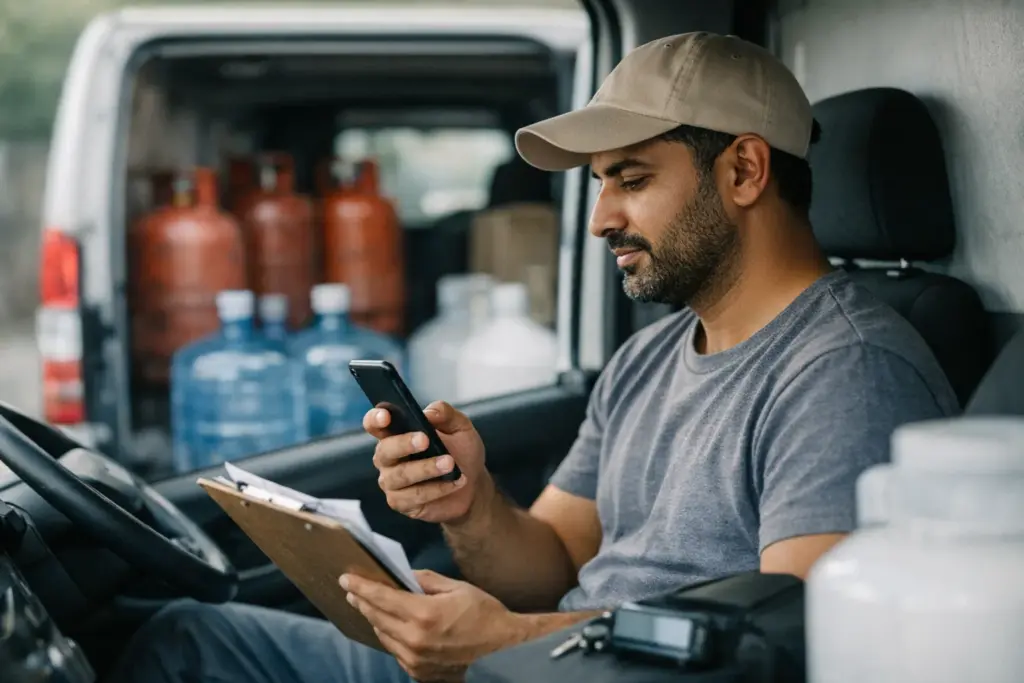
LPG cylinder suppliers must follow safety and paperwork rules that general courier systems often ignore. They usually need photo proof, driver notes, and exact counts by cylinder size. Cash tracking and wallet settlement keep managers on top of daily flows. Restaurant customers may book bulk refills on fixed cycles, so the tool should handle recurring tasks and fast order cloning. If this sounds familiar, compare dedicated LPG software alongside broader couriers.
Across these sectors, check the programs your staff already use. If you rely on a web ordering site, point of sale, or accounting package, study the list of confirmed integrations. Many vendors talk about artificial intelligence, but day to day success depends on simple questions. Can a dispatcher assign ten stops to two drivers in under a minute. Do customers receive timely arrival alerts without an agent typing messages. Can regular clients place their own reorders. Clear answers matter more than buzzwords.
Trial and support tips
Run each trial on one real route with true volumes and cash rules. Measure clicks to dispatch, calls answered, and disputes logged. If the software lets drivers finish the same number of drops with fewer calls and cleaner proof of delivery, you are near the correct fit. Also weigh vendor support. Small teams in Pakistan and the Gulf often need help that matches local habits like cash on delivery, WhatsApp status updates, and service windows around sehri or iftar. A provider that understands those demands will solve issues faster than one based far away. The right delivery software should lighten your current process, not force you to rebuild it.