From request to route
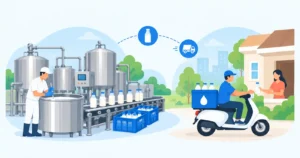
Delivery software ties orders, routes, drivers, and customers into one clear workflow built for field operations. Whether you run bottled water rounds, a milk circuit, or LPG cylinder drops in Karachi or Dubai, the program’s first job is to strip away manual steps and give you a live view of the road.
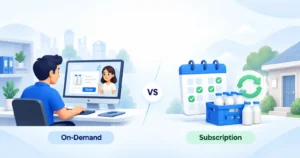
Everything begins when an order enters the system. It can be keyed in by a call center, arrive from a web store or marketplace, or repeat from a standing schedule. Most teams keep customer records that include addresses, preferred times, empty returns, and notes such as gate codes. A sound platform stores these details so no one retypes them each day. If you run recurring services like weekly water cases, the software creates planned stops and leaves dispatchers to handle only changes and new calls. A demo of this flow for water operators shows the idea in action.
Once today’s orders are in place, the planner chooses the service window and any limits that affect the fleet. Examples are cold chain rules for dairy, seal checks for cylinders, or driver shift limits set by labor law. The software groups close addresses and designs routes. Many products include route optimization that weighs distance, traffic, time windows, vehicle capacity, and driver territory. Some add program controlled suggestions that flag odd stops or predict congestion. Test these tools with your own data before peak season to confirm they really help.
Dispatch and the driver app
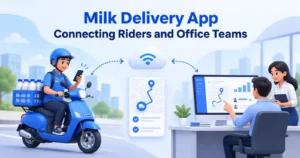
After planning comes dispatch. The dispatcher assigns a route to each driver and the plan appears in a driver mobile app. Here the day turns visible. Drivers see the stop order, a map pin for each address, quantities to drop or collect, and any customer note. As they roll out, the app sends location updates, so the control room tracks progress in real time. If a customer rings, your team can quote an correct arrival based on the live position.
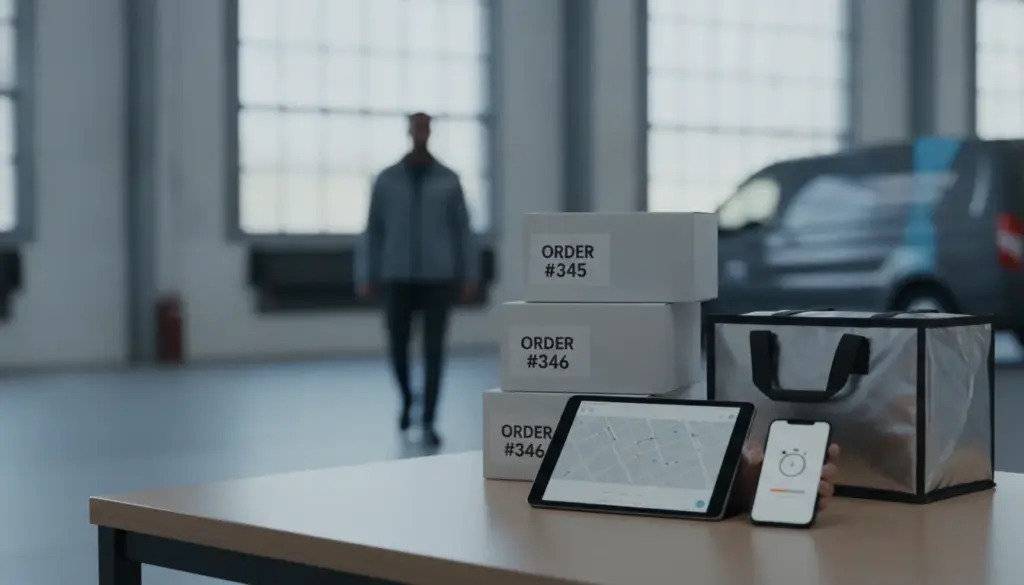
Proof of service is recorded at the door. For bottles and milk, that might be item counts, empty returns, and a signature. For cylinders, it can include a photo, seal number, and geotag. Small operators often use the tools listed under proof to settle disputes, balance depot inventory, and train new staff.
The driver app usually offers status buttons such as en route, arrived, delivered, and could not deliver, plus a free text field for issues like blocked gates. If a van breaks down the dispatcher can push pending stops to a nearby driver. The change reaches the handset instantly and the route reshuffles with no phone relay.
Customer communication that cuts guesswork
Modern platforms keep customers informed without extra calls. Most send a tracking link by SMS or chat that shows the vehicle’s live spot and a time window. Branded pages reassure home buyers and help office managers plan breaks around the visit. Crews that serve buildings with concierge desks see fewer missed handovers after a simple heads up. Many systems also ask for a quick rating once service is complete, giving you early warning of recurring trouble on certain routes. Over time this feedback lets you refine time windows, load sizes per zone, and first stop targets.
Control room view and follow up
While drivers are on the road, supervisors watch a map and timeline that mark completed, active, and at risk stops. Fast handling of exceptions is the hidden hero here. Missed windows, partial drops, or turned away deliveries surface with reasons attached, so you can call the customer, send a spare driver, or move the stop to the next run. When vehicles return, the system compares planned versus delivered quantities, empty returns, and any cash notes. This closes the loop and improves tomorrow’s plan.
For LPG fleets, shaving miles saves heavy lifting and fuel. Ideas for tightening the last mile are collected in a separate guide. Larger restaurant drops may also need split quantities or site specific unloading instructions, covered in the LPG section.
Choosing the right platform
Delivery work shifts with seasons, city rules, and customer habits, so your software must adapt with ease. Look for these core features:
• Clear route planning and quick editing
• Stable driver app that works with weak data signals
• Live tracking and instant status updates
• Proof of delivery that fits your items, whether bottles, crates, or cylinders
• Smooth data import from spreadsheets or an existing order source
Teams often ask peers for open feedback before signing a contract. At tarsil we focus on practical planning, tracking, and proof of delivery for water and LPG fleets, and you can review the full features list to compare with your current process.