Choosing delivery software is less about a famous brand and more about how well the tool mirrors your daily reality. A clever platform for pizza drops may frustrate bottled water routes with standing orders or an LPG fleet that collects cash on delivery. The best choice blends dispatch, route planning, proof of delivery, and customer updates without making you rebuild a process that already works.
Match features to your route style
First map your delivery pattern.
- Bottled water dealers on fixed routes with repeat stops need capacity-based planning, missed-stop alerts, and an easy way for drivers to hand jobs back to dispatch.
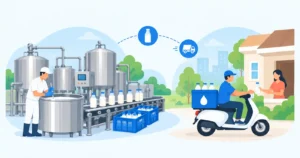
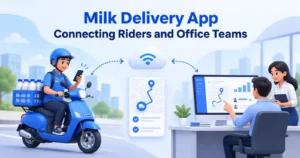
- Milk distributors who leave at dawn need a manifest in minutes, barcode scanning at the gate, and push messages that wake customers without waking the block.
- LPG suppliers require strict cash on delivery checks, driver wallets, and safety prompts before the cylinder leaves the truck.
Across all three use cases you still need route optimization, live tracking, SMS or WhatsApp messaging, and a customer portal that cuts call volume. White label branding keeps regular buyers loyal. If your crews scan at a depot, staged loading and hub scans stop boxes from jumping routes. A clear example is shown in this guide on water software, where operators split standing orders from once off drops.
Strengths that reviewers notice
Independent roundups covering more than twenty platforms in 2026 highlight leaders. Onfleet earns praise when you own the fleet and want dispatcher control plus predictive arrival times. Track POD stands out for electronic proof of delivery with signatures, photos, barcode scans, and time stamps, fed into real-time customer alerts. If proof handling is a deciding factor, see the role of POD in cutting disputes over partial or damaged items.
Courier firms land on Onro because it stores customer profiles, invoices, cash on delivery balances, and hub scans in one place. Restaurant chains are often matched with Shipday, which markets AI powered dispatch, auto assignment, and review friendly customer flows. Case studies mention multi site pizza brands that shaved minutes off runs, though gains depend on driver discipline. The constant thread is limited scope done well: thoughtful dispatch logic, clean driver screens, and timely customer messages rather than one mythical button that fixes every last mile twist.
Local checkpoints for Pakistan and the GCC
Context changes priorities. Cash still rules in many cities, so insist on driver wallets, shift based cash reconciliation, and an export that your accountant can read. WhatsApp alerts beat email in most neighborhoods, so confirm that both senders and receivers get messages on the channel they open first. Mixed language districts need Arabic and Urdu options on both the driver app and the customer link.
Connectivity is another filter. Riders often lose signal in basements, so the driver app must capture photos, signatures, and payment offline and sync later. High heat can slow phones, so screens must load quickly to avoid sticky gloves scrolling. LPG fleets benefit from safety checklists in the app and zone grouping that cuts backtracking during rush hour. For deeper notes on cylinder work see this outline of LPG delivery with cash control and neighborhood clustering.
Integration decides long term happiness. If you already collect orders through a point of sale system or a web form, jobs should drop into dispatch automatically. Run a pilot on one real route, then debrief drivers the same night. A pretty feature grid means little if dispatchers cannot keep every stop on one map or if drivers ring you five times before lunch. You can scan a structured list of features and match each line to your actual run sheet before signing a contract.
Stay clear eyed during evaluation
Vendor pages are polished, so balance them with neutral sources and your own numbers. That 2026 study groups tools by use case such as courier, field service, planned routes, and on demand drops, which saves you from comparing apples to oranges. Track POD leans on route building and flawless proof. Shipday pushes AI insights for restaurants. Onro layers courier accounting and zone pricing. DeTrack and OptimoRoute appear often for field crews. Labels alone do not decide, but they hint at where each tool has extra depth.
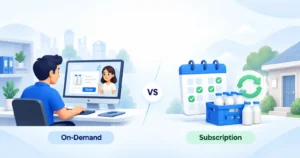
When you scan real life comments, this digest of reviews shows how small teams weigh proof capture, customer portals, and repeat order flows. Bottled water players want recurring orders, area pricing, and easy skips for vacationing clients. Milk routes rate manifest speed and first attempt success because school bells do not wait. LPG fleets focus on cash control and repeat households, so zone dispatch and re attempt rules top the list. If your company handles all three product lines, pilot the route that suffers most errors first, then expand once missed stops drop.