Choosing same day delivery software is not simply a matter of comparing feature pages. A platform that suits a national retailer may feel cumbersome for a local milk route, while basic route planning software may not give an LPG distributor enough control over cylinder returns, customer balances, or driver activity. The best brand depends on your delivery model, order volume, fleet structure, and the information dispatchers need during each shift.
Several established brands serve this market. Onfleet, Bringg, Tookan, Circuit for Teams, Routific, and Tarsil address different parts of delivery management. Understanding these differences is more useful than looking for one universal winner.
Onfleet and Bringg
Onfleet is widely associated with last mile delivery management. Its product materials focus on dispatch management, route planning, driver communication, real time tracking, proof of delivery, and customer notifications. These capabilities can suit operators managing many drivers and frequent changes during the day.
For a local delivery fleet manager, the practical question is how much control the dispatcher has when orders arrive late, customers change their availability, or a driver cannot complete a stop. A useful demonstration should show how quickly staff can reassign a delivery and whether the change appears clearly in the driver app.
Bringg is designed for larger delivery operations. Its focus includes coordinating delivery processes, connecting business systems, and supporting different fulfillment models. This may suit businesses working across several locations, fleets, or delivery partners.
However, larger platforms can require more planning before launch. Operators should review integration requirements, staff permissions, reporting tools, and the work needed to reflect existing workflows.
Tookan, Circuit for Teams, and Routific
Tookan provides tools for task assignment, route management, driver tracking, notifications, and proof of delivery. Delivery businesses and field service teams often consider it when they want one place to manage jobs and mobile workers.
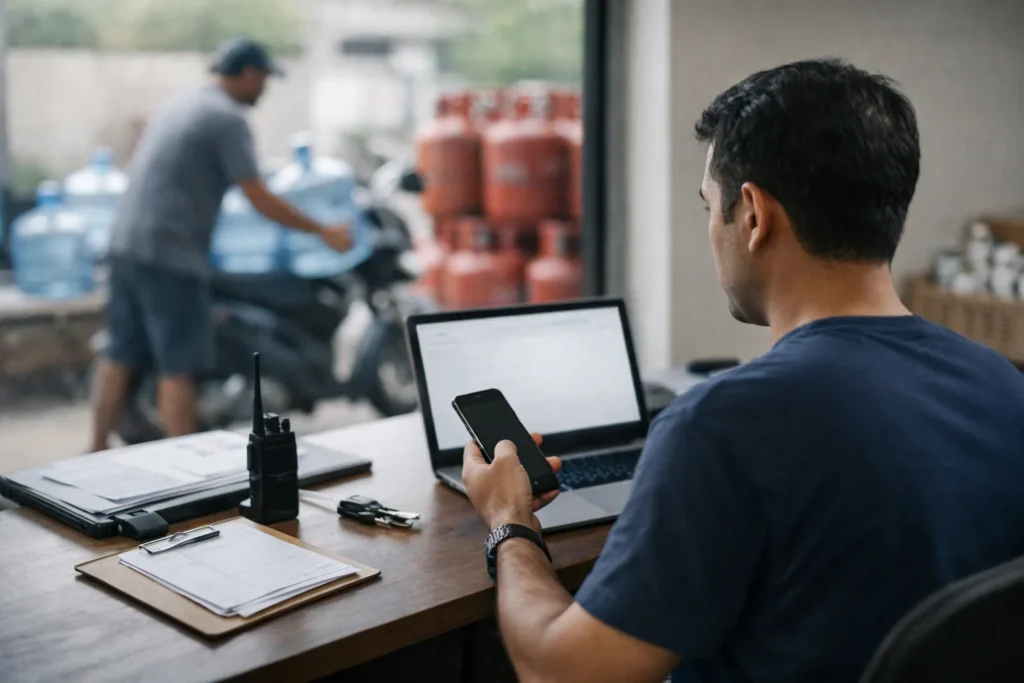
During an evaluation, look beyond the map screen. Water, milk, and LPG businesses often need to record quantities, failed deliveries, cash collections, returned containers, and customer notes. Confirm that drivers can capture this information without moving through too many screens.
Circuit for Teams focuses on route planning, driver progress, and proof of delivery. It may appeal to smaller fleets moving from paper route sheets or consumer navigation apps. A dispatcher can assess it by importing a typical day of stops and checking whether routes account for vehicle capacity, delivery windows, and local road conditions.
Routific also focuses on route planning and dispatch. It can be a good option when reducing unnecessary driving and balancing workloads are central concerns. However, a well planned route is only one part of same day delivery. Subscription orders, payment records, reusable container tracking, and customer service history may require other systems or integrations.
Tarsil for specialist deliveries
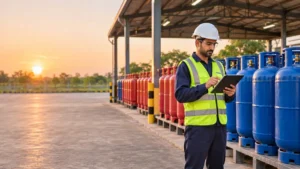
General delivery platforms usually start with stops, drivers, and routes. Specialist operators often start with recurring customers, products, containers, and account records. Tarsil supports water, milk, and LPG delivery businesses.
This distinction matters when a driver delivers full water bottles and collects empty ones, when a milk customer pauses a standing order, or when an LPG team needs visibility into cylinder movement. These workflows involve more than sending a vehicle to an address.
When comparing Tarsil with broader platforms, business owners should examine how each system handles recurring deliveries, customer records, driver accountability, real time delivery tracking, operational reports, and mobile connectivity. Businesses operating in Pakistan, the Gulf, or Africa should also test how the mobile app performs under the network conditions their drivers regularly encounter.
Choosing the right brand
Start with a real working day rather than a generic feature checklist. Use actual route sizes, order types, delivery windows, vehicle limits, and common exceptions. Ask a vendor to demonstrate a late order, a rejected delivery, a driver reassignment, a partial payment, and a returned container.
Check who can edit an order after dispatch, what the customer sees, and what evidence the system stores after completion. Review reports at the level your supervisors use, whether that means each route, driver, product, customer, or depot. Driver adoption also deserves attention. If proof of delivery takes too long to enter, staff may skip steps when routes become busy.
For subscription delivery businesses, test pauses, extra orders, missed visits, and changing quantities. For LPG and water operations, create a sample route where containers leave the depot, move between customers, and return in different quantities. The dispatcher should be able to see every recorded movement from the operating screen.