
Delivering gas cylinders to restaurants, groceries, pharmacies, and homes is hard enough without wrestling with paperwork. The simplest way to narrow your search is to ask whether the LPG cylinder delivery platform includes a driver app that crews can master quickly, works even when mobile coverage drops, and synchronises with the office when data reaches the cloud so you never need file imports.
If you are comparing tools for bottled gas, the workflows shown on the LPG software page provide context for routing, refills, and returns.
What a driver app must handle for cylinder routes
Gas cylinders create challenges that a general courier system often misses. The driver side needs
- Stable route planning with a clear stop order
- Fast item picking across multiple cylinder sizes and deposits
- Proof of delivery capturing customer name, signature, photos, and timestamp
- Visit verification so supervisors see where and when each stop happened.
Because many fleets work in areas with patchy data, the mobile tool should store tasks offline, print receipts, and send SMS updates that spare customers calls to dispatch. From the office, stock counts and customer ledgers must update instantly so reconciling empties, refills, and deposits never piles up.
A short learning curve matters; driver turnover is common in last mile logistics.
Who offers driver side tools today
FuelMor says that drivers can complete runs on their devices with real time reporting to the office, and that the same platform handles delivery creation, routing, and live truck tracking. That covers the core need for a driver app plus constant visibility for dispatch.
Droplet Fuel promotes a driver display interface plus degree day forecasting, routing, and an online order channel. The phrase driver display rather than driver app appears in its materials, but the feature list targets field use and route management.
Cargas Energy provides web based tools staff can open on any device. The company stresses wireless dispatch, real time messaging, and route optimisation for both bulk fuel and cylinder exchange. While the brochures do not label a driver app, many buyers treat the field communication module as a mobile solution.
Trade journals covering propane logistics highlight route optimisation, tank monitoring, scheduling, dispatch, and accounting. These overviews help when you draft a shortlist, yet if driver usability is critical you still must confirm whether the vendor ships a mobile app or only a web form.
Teams that also carry bottled water, dairy, or oxygen should confirm the same mobile tool supports those catalogues. A related example is our milk software category, which applies the same route logic and proof of delivery to another commodity.
How Tarsil approaches driver apps for LPG delivery
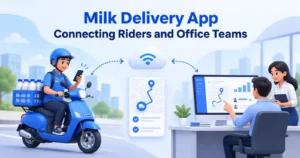
Tarsil Systems offers a cloud based enterprise resource planner that links with a rider mobile app. This app records deliveries, collections, and service visits, then updates customer ledgers, cylinder inventory, and cash entries without delay.
It works offline, captures GPS trails, timestamps, photos, and digital signatures, and sends program controlled SMS notices when an order is delivered or a balance changes. The short mobile app video shows the field workflow in context.
Supervisors follow live positions on TrackBoard and can replay yesterday’s journeys to verify visits match actual locations. Route planning lets you define zones, set recurring invoices, and assign visits that fit your market rhythm.
Companies that also run grocery, pharmacy, or oxygen drops can carry them in the same catalogue with item-level pricing, deposits, and returns, all rolled into one account view. Portable Bluetooth printers issue digital receipts stored in the customer history, and the interface supports multiple local languages alongside English so new riders learn quickly.
Back office managers can work from any phone or web browser. Roles and permissions keep finance separate from route control, daily cash summaries appear next to collections, and unproductive or empty visits are flagged automatically.
You can compare planned routes with actual travel, and GPS verified signatures provide a defensible audit trail. This brief reports clip shows monthly performance in clear charts.
For operators who rely on route optimisation, real time communication, and solid proof of delivery, the deciding factor is whether the driver tool integrates with accounts and stock without manual merges. In practice, the best choice is the one your drivers can grasp in minutes and your finance team can trust at shift end.
Learn more about our approach on the main Tarsil site, and revisit the detailed LPG software walkthrough for a closer look at cylinder-specific workflows, deposits, and empties tracking