Moving cylinders from the depot to the doorstep can unravel an entire shift if even one address is late or one label is wrong. LPG cylinder delivery software tightens this fragile stretch by merging driver activity, stock updates, and customer messages in one continuous workflow. For anyone comparing tools, this integration is the central promise of most LPG platforms and exactly what you will see in dedicated LPG software.
Fewer blind spots on the road
Whether you supply restaurant kitchens, local groceries, or pharmacies with backup generators, you need live visibility. Real time tracking shows dispatchers and customers where the cylinder truck is right now and how traffic or road blocks may alter the stop list.
Program-controlled dispatching assigns each job to the correct vehicle by zone or load and reshuffles the queue as fresh orders arrive. Because customers receive clear SMS alerts before and after a visit, inbound calls drop sharply.
Industry reviews name real time tracking, program-controlled dispatching, and proactive messages as the trio that steadies delivery windows and cuts needless detours.
Faster routes and steadier windows
Route planning matters even more with heavy pressurized loads and strict delivery slots. A planning engine groups refills and swaps along logical paths, avoids backtracking, and respects priority accounts such as lunch service restaurants or pharmacies that protect a cold chain.
The result is more than lower fuel bills. Drivers arrive calmer and safer because a clean plan sits on a simple mobile app. If a walk in order appears, the same engine adjusts the next few stops with minimal ripple, keeping the rest of the day intact.
Research summaries on delivery software link stronger routing to quicker drop offs and higher driver productivity, which your own ledger shows in fewer late calls and smoother daily closeouts.
Proof, accountability, and safer handling
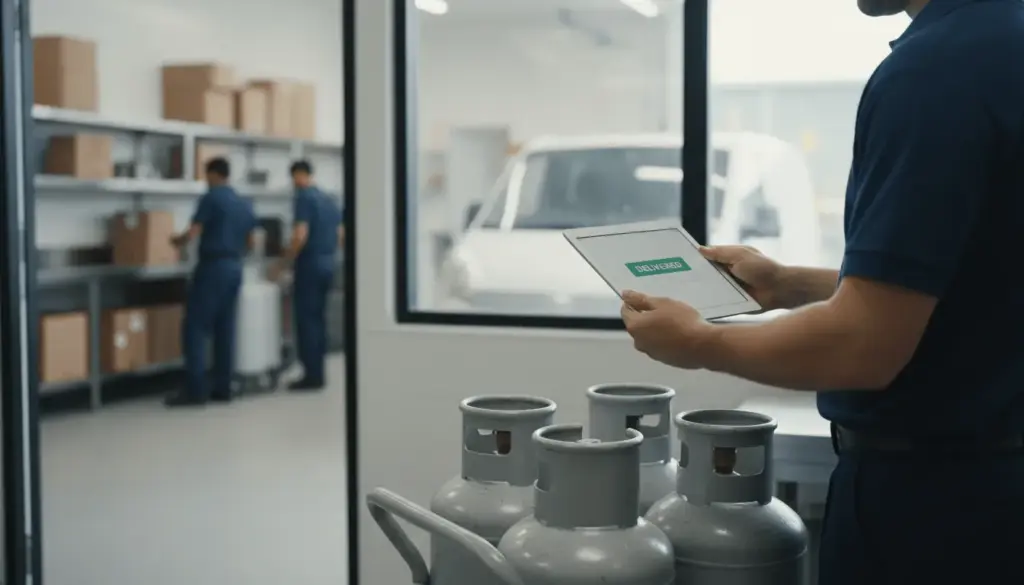
A single dispute about whether a full cylinder reached the correct address or an empty was collected can drain time and trust. Electronic proof of delivery with a signature or photo removes the guesswork, especially when cylinders are left at service doors or handed to third parties. Barcode or QR code labels give every cylinder its own ID; staff scan at loading, at the customer site, and again on return.
Competing articles note that missing IDs and late return entries are major causes of stock leakage, while software with scanning and staff wise allocation boosts accountability and speeds reconciliation. Separate workflow states for filled and empty cylinders prevent mixups on the truck and in the yard.
Alerts for overdue returns surface problems early so a tiny exception never grows into a monthly write off.
Inventory that matches street reality
Paper logs and next day spreadsheets fall behind the moment plans change in the field. Real time inventory tracking records every movement instantly, so the number on your screen always mirrors the number on the truck. Program-controlled reconciliation compares dispatches, deliveries, and returns without manual math.
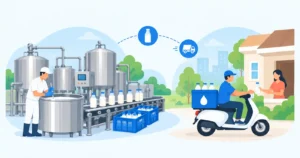
Trade write ups list quicker month end balancing as a direct benefit of this live data, especially when paired with staff wise cylinder allocation. If you handle fast recurring routes such as daily water or milk, the same logic applies to LPG.
You can also detect unproductive visits and empty runs, then fix root causes using delivery reports rather than anecdotes. Over time this cleaner record of filled versus empty returns guides better stock forecasts for each zone, ensuring trucks leave with what the day will actually consume.
Field and back office in one view
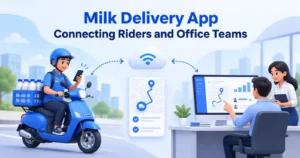
We are Tarsil Systems, and our cloud ERP with a rider app links field visits, customer accounts, and stock movements in real time. Managers can trace every cylinder, verify visits through GPS, and inform customers with program controlled SMS. Examine how this connected approach can support your routes without burdening drivers who may be new or have limited formal training at Tarsil.