Running a recurring milk route is a race against the clock. Before sunrise you need to load the van, reach every doorstep, pick up empties, and still arrive home on time. The best app is the one that keeps this chain steady day after day.
What best means for delivery businesses
A strong milk platform starts with predictable early morning windows. It should generate a clean stop list, sort customers by neighborhood, and let drivers update quantities on the fly. Good software also supports special payment types such as Sodexo or Pluxee vouchers and keeps those entries consistent with back office billing.
Proof matters. A time-stamped photo and a short note stop most disputes before they reach the office. If you collect returnable glass, the system must record bottles in and bottles out so deposits line up with stock. When coverage drops, the mobile client has to stay usable and sync later without duplicates. These details separate a working operation from a stressful one.
What users say
Public threads hint at customer priorities. In an Indian Reddit discussion, Milk Basket drew praise for drops as early as 4.30 while some people disliked its membership rules. Country Delight earned mixed reviews: many enjoy its product range yet others find the VIP plans unclear and prices volatile. Families that rely on meal cards noted that FTH Daily delivers without a fee and accepts Sodexo, whereas Otipy adds a per delivery charge but also accepts the same vouchers. Pune residents who want A2 milk often mention Provilac, though availability shifts between suburbs.
Marketing pages add more clues. Doodhvale promises Delhi clients edits until midnight, doorstep delivery before 8.00, and multiple payment modes including Pluxee. In the United States, Oberweis highlights gentle pasteurization, reusable bottles, and family farms across the Midwest. One brand sells convenience in crowded cities, the other sells product ethos and packaging. Both signals help you define the features your own app must cover.
The backbone behind the app
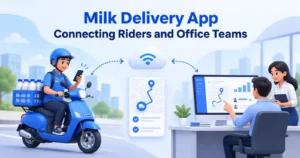
Customer icons and splash screens mean little if your staff still shuffle spreadsheets. Dispatch needs live route planning that shows which zones are late, which stops were skipped, and how many bottles came home. Drivers need a single view of quantities, notes, and touch free signature capture. Office teams want an end of day export that reconciles cash, voucher credits, and bottle movement. A shared data flow keeps everyone in step and cuts the morning chaos.
Our platform merges these tasks into one connected workspace; you can examine more at Tarsil.
How to choose
- Start with your promise. If you market very early delivery, insist on cut off times that freeze orders the night before and sequence routes to save minutes.
- Verify voucher handling. If Sodexo or Pluxee is common in your area, test a booking with those payments and make sure the amount appears in the finance report.
- Examine geography. Strong zone tools let you cluster addresses, assign stable rounds, and restrict branch staff to their territory while head office reviews the whole map. The first mention of this feature is a good place to link zones.
- Demand clear proof. A doorstep photo paired with bottle counts closes most complaints. Capture returns in the same flow as delivered goods so inventory and deposits never drift. Read more about proof.
- Test signal loss. Drive a basement loop and a rural edge with no service. An app should keep editing orders, capture signatures, and then sync when coverage returns. Our own offline module is built for that.
Finally, track the numbers that matter to you. Common yardsticks include the share of drops completed before 7.00, bottles returned against bottles sent, and cash collected versus outstanding balances. Choose the tool that helps those indicators stay green whether you haul only milk or mix bread, yogurt, water jars, or LPG cylinders in the same round.